
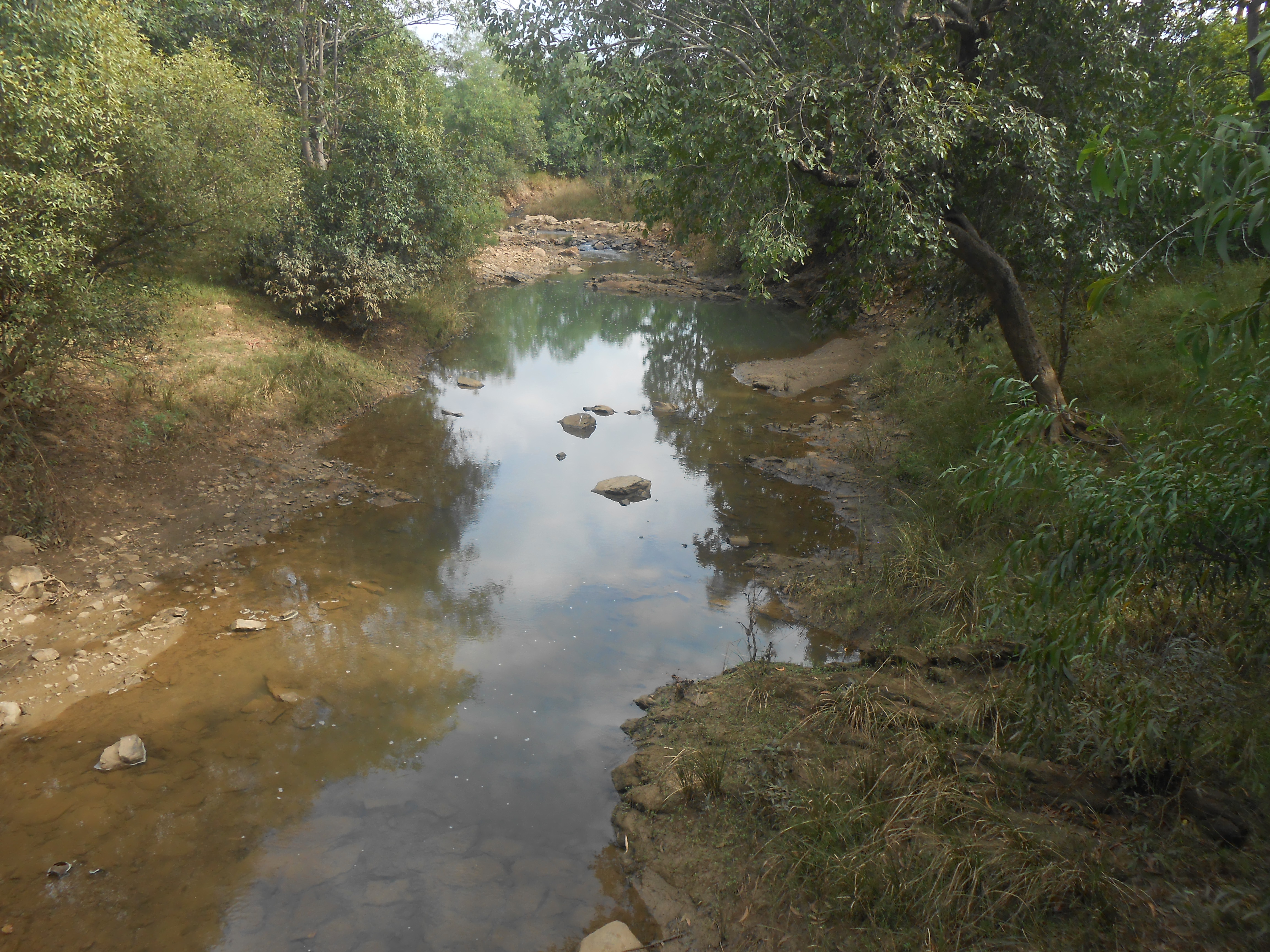
PROTECTION AND CONSERVATION OF ASIAN ELEPHANT
Since the year 2009, the agency has been concretely working on wildlife conservation issues, dedicated to protecting endangered species, preserving their habitats, and defending biodiversity—including the harvesting and management of perennial water bodies and common resources. Paribartan believes that wild animals and plants have the same right as human beings to live on the earth and enjoy natural resources. It supports participatory and innovative strategies, adopting public, private, and community partnerships for people and wildlife to co-exist and thrive.
We believe that wild animals and plants have the same right as human beings to live on this earth and share its natural resources. This project focused on the conservation of elephants, their habitats, and the Telkoi–Pallahara biological corridor through a Public-Private-Community Partnership (PPCP) approach. The initiative aimed to improve the livelihoods of communities residing in identified Human-Elephant Conflict (HEC) hotspots by promoting non-lure cropping practices.

In the Odisha province of the Indian subcontinent, Paribartan has been implementing a range of initiatives aimed at raising awareness, ensuring protection, and regenerating and conserving elephant habitats. Since 2021, Paribartan has been fortunate to collaborate with Voice for Asian Elephant (VFAE), which has provided consistent technical and financial support for projects focusing on awareness-raising, habitat protection, removal of polythene and garbage from forest land, restoration of elephant corridors, and habitat regeneration.
One of the key activities has been the plantation of elephant-friendly, fruit-bearing plants and fodder species, alongside the construction of waterholes and water conservation structures at strategic locations within and around the elephant habitat. The long-term mission is to ensure that elephants remain within their natural habitat, with adequate access to food, fruits, and water.
Paribartan’s team brings significant experience in managing nature conservation projects, plantation drives, and the protection of Asian elephants in Odisha. These conservation measures benefit elephants directly and also contribute to the overall ecological integrity of the region.
Key Achievements and Activities (2022–2023):
Plantation Work
-
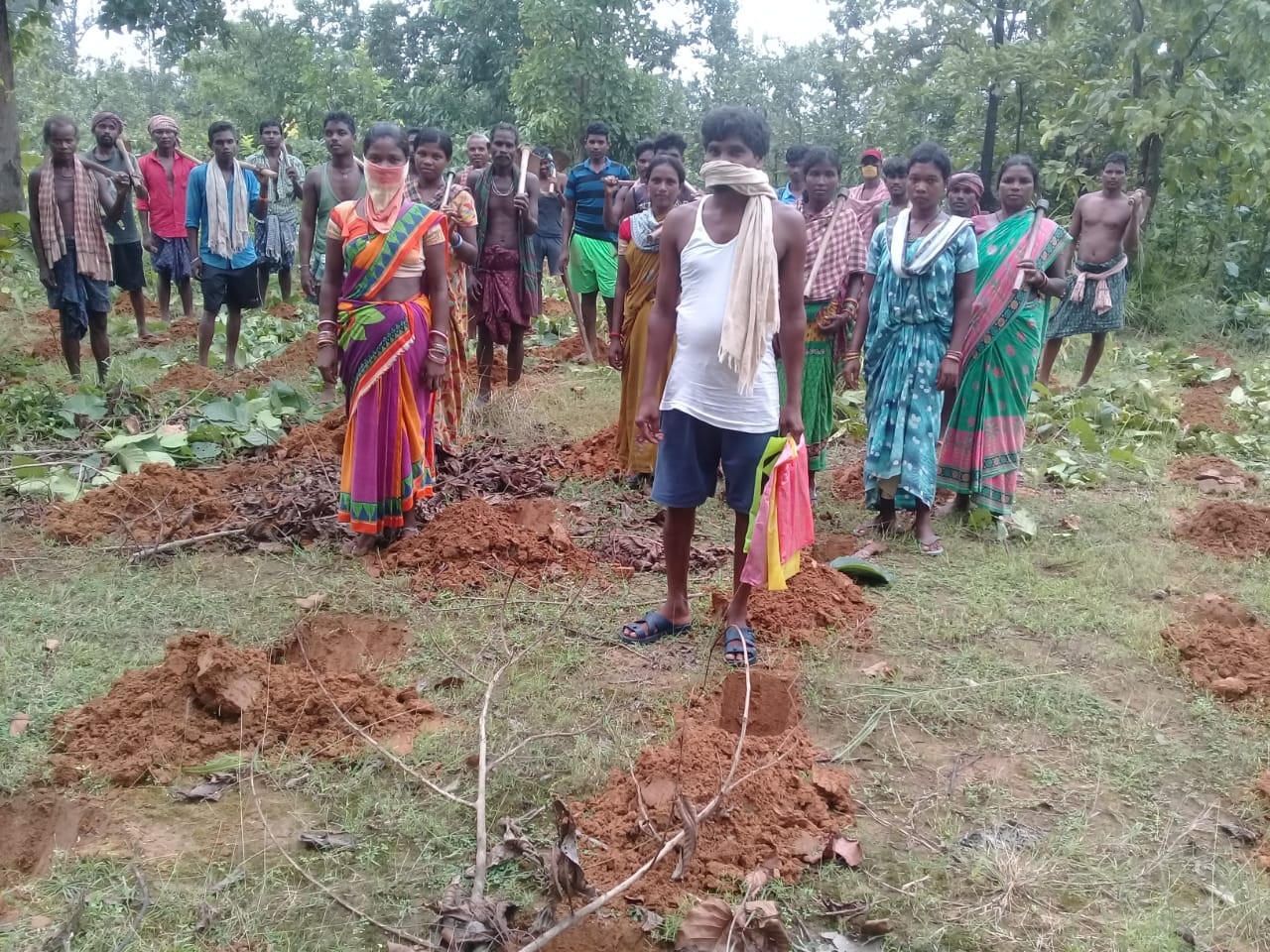
In 2022, Paribartan planted 30,000 elephant-friendly, fruit-bearing plants and bamboo saplings in the Pallahara range (Angul district) and Soro & Kaptipada ranges (Balasore district), particularly near waterhole sites.
-
In 2023, an additional 30,000 elephant-friendly saplings were planted.
Community Engagement
-
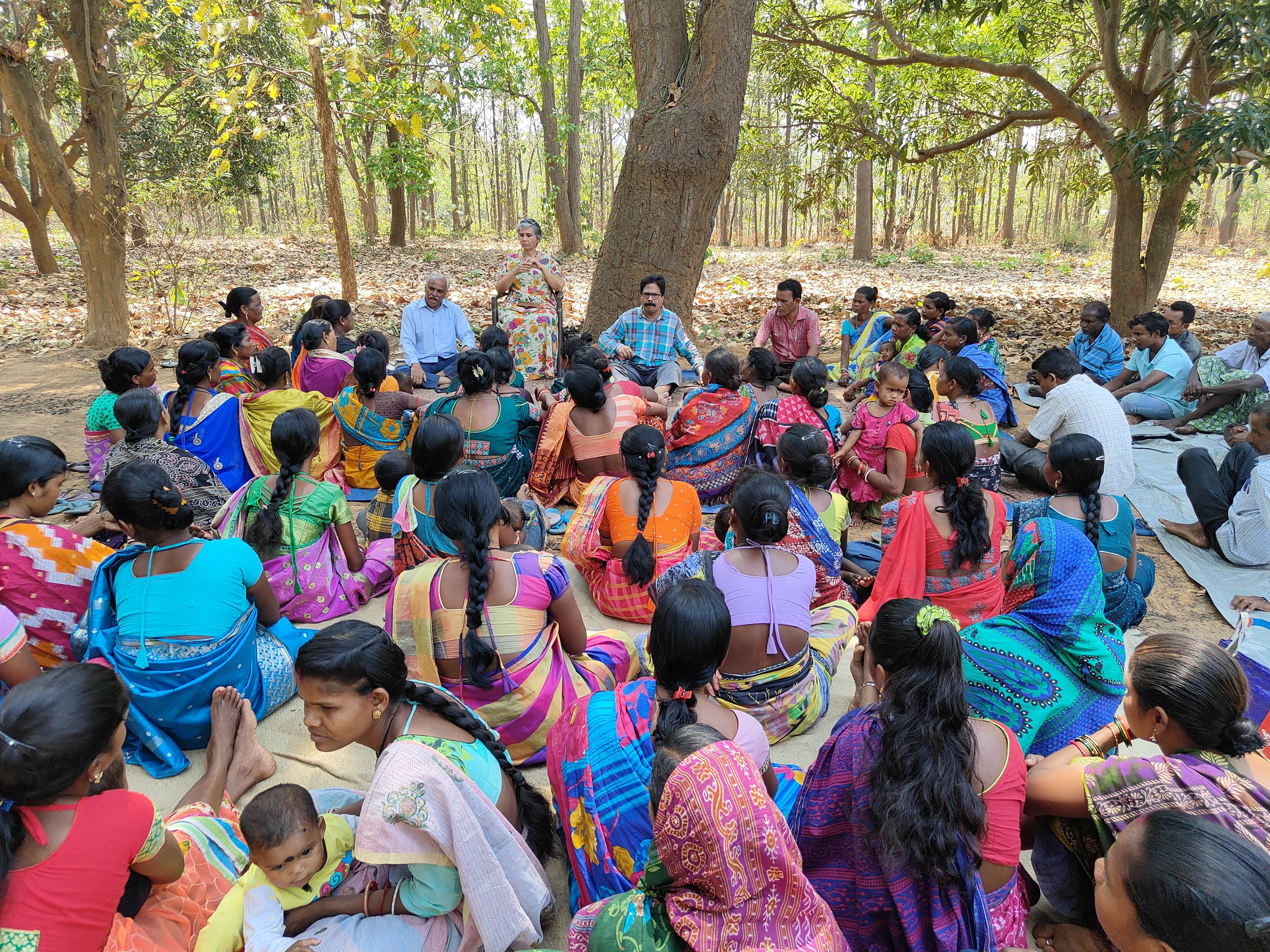
Tribal women were mobilized and sensitized about the ecological role of elephants, particularly how elephants help spread seeds across large areas through their dung.
-
20 regular village-level awareness meetings were conducted, engaging youth, women, and farmers living near elephant habitats.
Habitat Restoration and Water Conservation
-
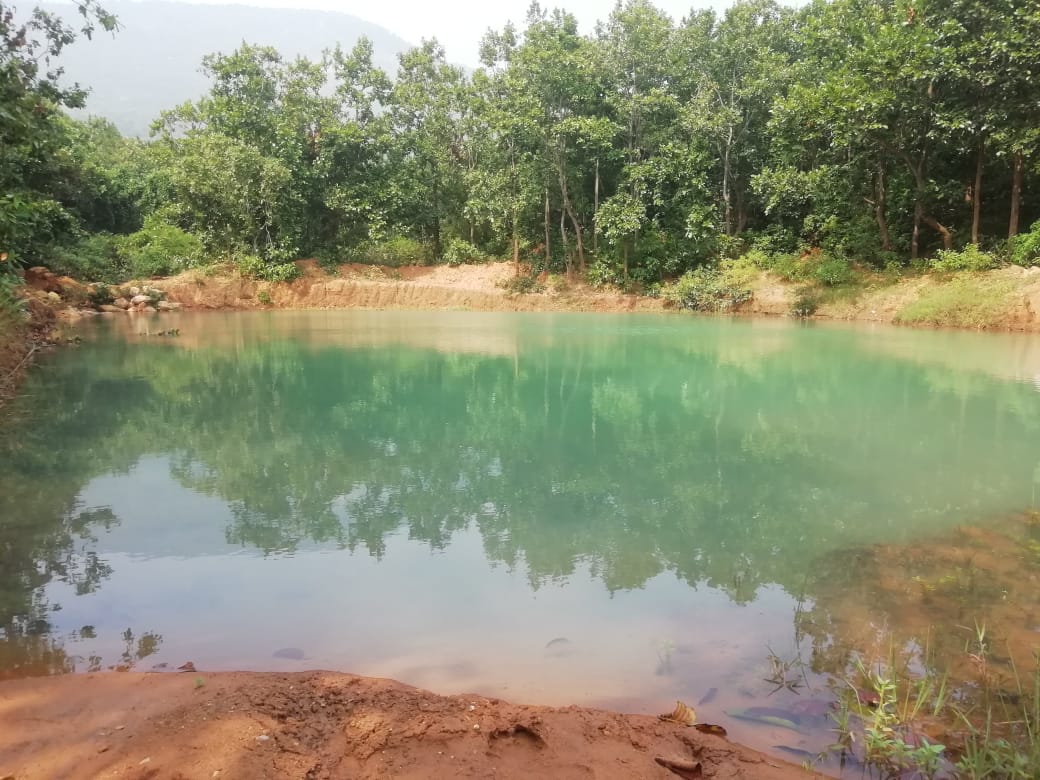
8 micro check dams/water bodies were constructed:
-
4 in the Telkoi-Pallahara Elephant Corridor
-
4 in the Hadgarh-Kuldiha Elephant Corridor
Flashlight Distribution
-
200 flashlights were distributed in identified hotspot villages. These are used by local residents for safety at night and as a non-harmful way to guide elephants back into forest areas.
Strategic Approach
Paribartan and VFAE adopted an innovative strategy to reduce human-elephant conflict through “Re-naturing” — restoring habitats using elephant-friendly fodder and fruit plants, while addressing the socio-economic needs of people sharing the landscape with elephants.
Through continuous sensitization efforts, tribal communities are becoming increasingly aware of:
-
The role of elephants in supporting biodiversity
-
The links between conservation, ecosystem health, and human well-being
Long-Term Impact and Vision (Next 7–8 Years)
-
Elephant-friendly landscapes will be developed to support long-term habitation of elephants, reducing conflict.
-
Native plantations will help recharge groundwater, retain surface water, and revive perennial water bodies, supporting elephants' needs for drinking and bathing.
-
By restoring and protecting elephant habitats and corridors, elephants are more likely to stay within forested areas, ensuring ecological balance and coexistence.
-
Tribal and forest-dependent communities will benefit culturally, economically, and ecologically from habitat conservation.
The project outcomes are centered on enhancing community capacity to manage and respond to HEC scenarios, thereby positioning local residents as advocates for elephant conservation and contributing to the protection of this endangered species. Women’s participation in corridor conservation played a pivotal role, alongside the tribal communities who are deeply rooted in protecting animal rights. Local community members were trained as elephant trackers to alert villages about herd movements, use indigenous techniques to redirect elephant herds, and promote crop varieties that are less attractive to elephants—all with the goal of minimizing conflict and fostering peaceful coexistence.
ENFORCEMENT CUM ANTI-POACHING OPERATION
Regular enforcement-cum-anti-poaching operations were carried out at identified poaching hotspots. Local youth were trained in ground patrolling techniques, the use of appropriate equipment, human-elephant conflict mitigation tools, legal provisions, record keeping, and the monitoring of elephant movement.
These trained trackers, along with the enforcement and anti-poaching teams, also consistently monitor High Tension (HT) and Extra High Tension (EHT) electric transmission lines passing through the corridor and sub-corridors. In case of any anomalies—such as sagging or lowered electric wires—they promptly alert the forest department and relevant authorities to prevent potential electrocution of wildlife.
PROTECTION AND CONSERVATION OF OLIVE RIDLEY SEA TURTLES
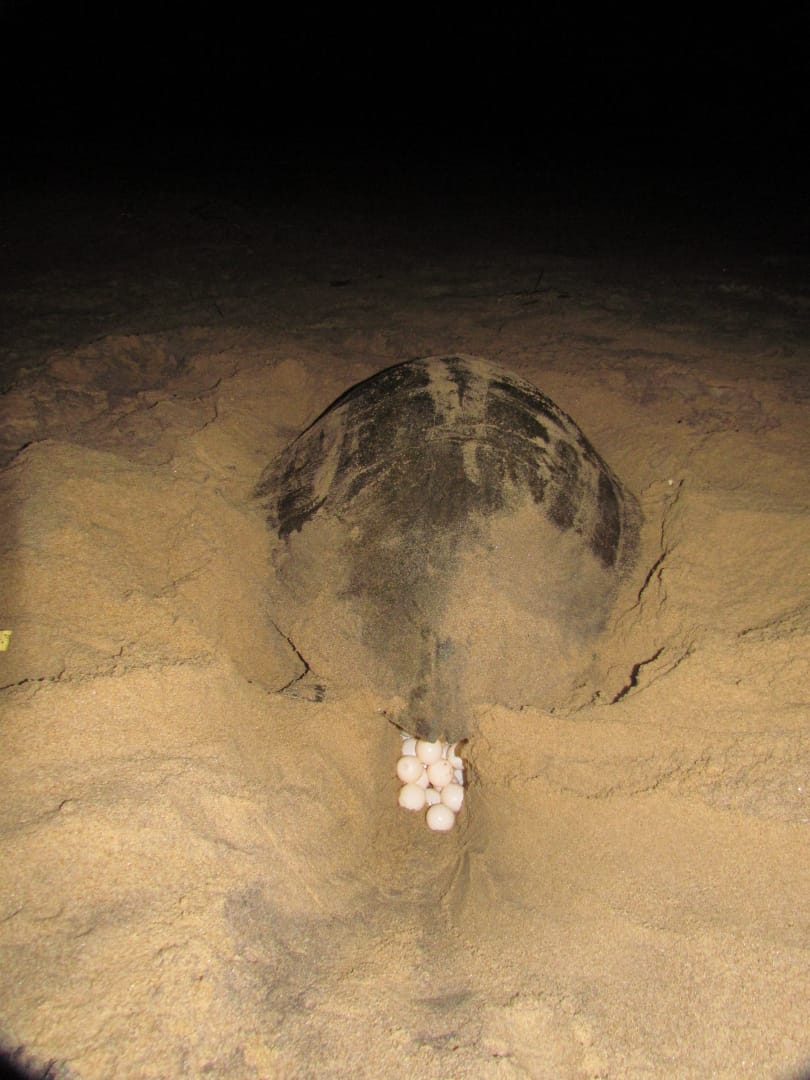
The Wildlife Division of the Forest and Environment Department, Government of Odisha, awarded a research study project aimed at supporting the protection and conservation of Olive Ridley turtles along the Odisha coast. This study serves as a critical foundation for both state and non-state actors to design and implement a concrete plan and roadmap for the long-term conservation of the species.
A comprehensive understanding of the distribution and migratory patterns of Olive Ridley turtles in coastal waters is vital—not only for their protection but also for the informed and sustainable planning of developmental activities in the region, including hydrocarbon exploration.
BIODIVERSITY
Faunal Study of Bonai Forest Division, Sundargarh, Odisha
Paribartan initiated the Biodiversity (Faunal) Study of Bonai Forest Division in collaboration with the Forest, Environment and Climate Change Department, Government of Odisha. The Bonai Forest Division is situated between the coordinates 21º39ʹ–22º8ʹ N and 84º30ʹ–85º23ʹ E, toward the north-western boundary of the state of Odisha in eastern India. The forest division spans an area of 2,934.21 km² in Sundergarh district (Fig. 1). It is bounded to the north by Jharkhand State and Rourkela Forest Division; to the east by Keonjhar Forest Division and Deogarh Forest Division; and to the west and south by Bamra Forest Division and Deogarh Forest Division. This division falls under the Rourkela Forest Circle in Sundargarh District of Odisha State.
There are seven Forest Ranges in this Division: Bonai Range, Kuliposh Range, Tamra Range, Jarda Range, Sole Range, Barsuan Range, and Koira Range. The forest division forms part of the Chotanagpur Plateau of the Deccan Peninsular Biogeographic Zone.
The mean daily temperatures range from 5°C to 20°C in winter and from 30°C to 45°C in summer. There are three distinct seasons: Summer (March to June), Rainy (July to October), and Winter (November to February). Rainfall in the sanctuary and surrounding areas varies from 1,000 mm to 1,800 mm. Due to good rainfall, the area features moist peninsular high-level Sal forests and moist mixed deciduous forests, along with extensive bamboo forests.
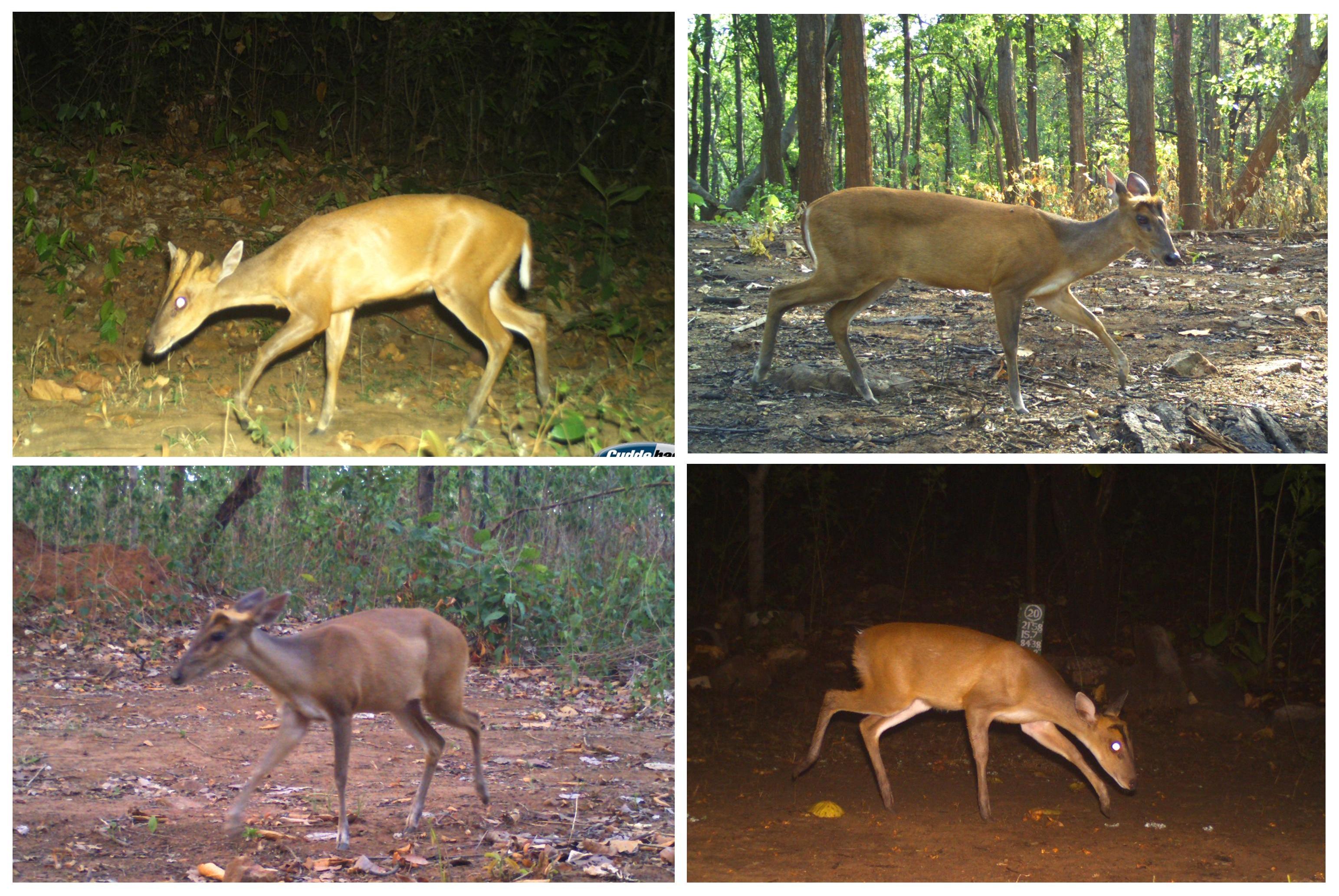
The faunal diversity of Bonai Forest Division includes 29 species of mammals, 189 species of birds, 57 species of snakes, and 136 species of butterflies. The rich biodiversity documented by these studies indicates that, despite pressures on the forest habitat, a vast zone of contiguous forest remains rich in biodiversity.
Survey of Forest Fire at Nayagarh Forest Division
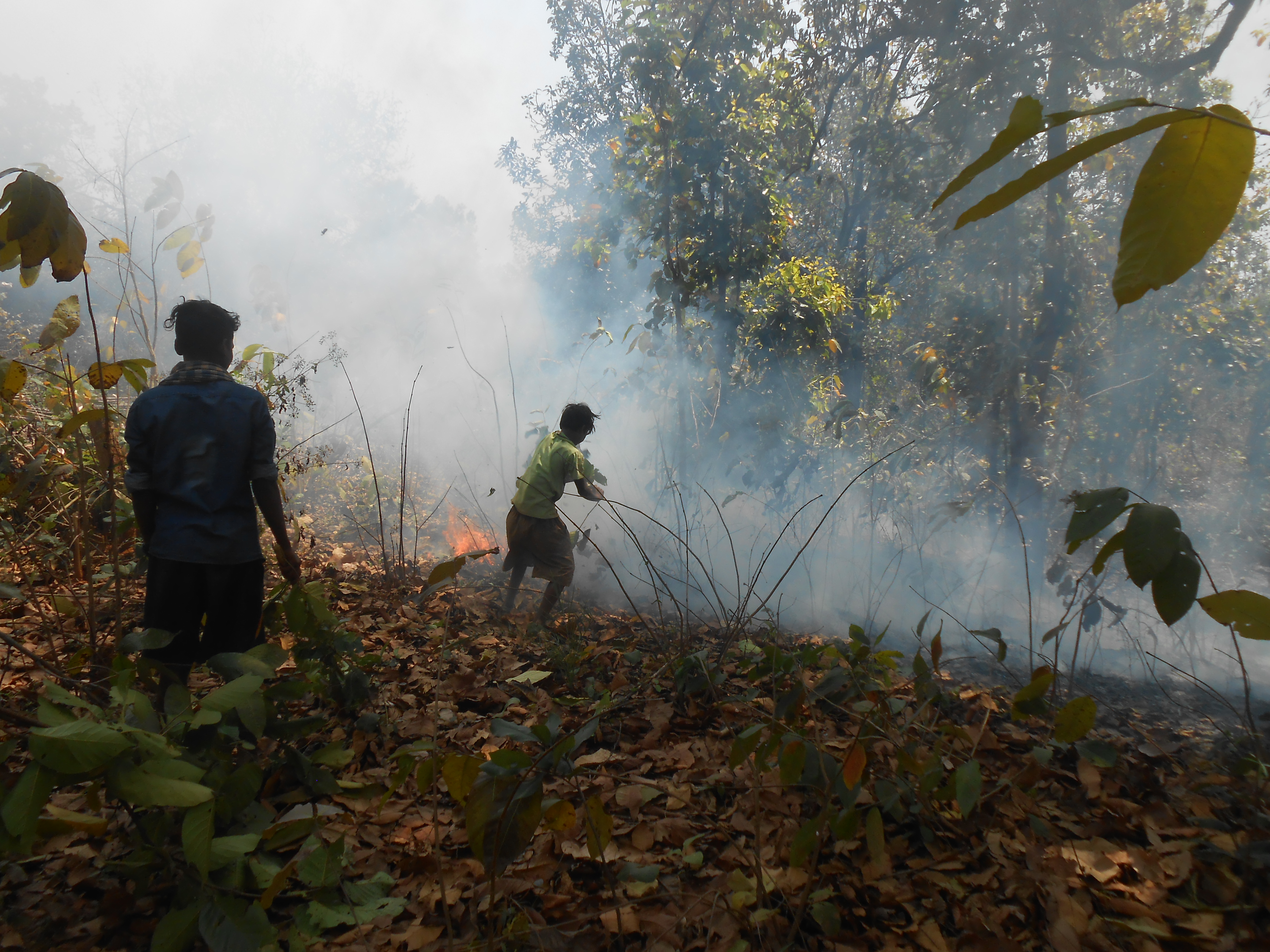
The adverse impact of uncontrolled forest fires on the ecology and environment is well known. The study was done in partnership with the Divisional Forest Office, Nayagarh, Forest, Environment and Climate Change Department, Government of Odisha. Erratic rainfall, extensive dry spells during winters, early summers, and a decrease in annual rainfall in recent years due to climate change have increased the incidence of forest fires in the Nayagarh Forest Division. These fire outbreaks have burned young seedlings, creepers, and medicinal plants, impacting the region's climate. Human activities, such as collecting seeds, concealing illegal timber extraction, and encouraging grass growth, are the main causes of most forest fires.
The purpose of the study was to examine the environmental impacts of a forest fire.
-
Understand the environmental dynamics of the region.
-
Assess the ecological impacts on biodiversity and habitat recovery.
-
Monitor the environmental effects on air quality and carbon emissions.
-
Evaluate the economic and human health consequences.