
Farm Activities
Ecological Agriculture
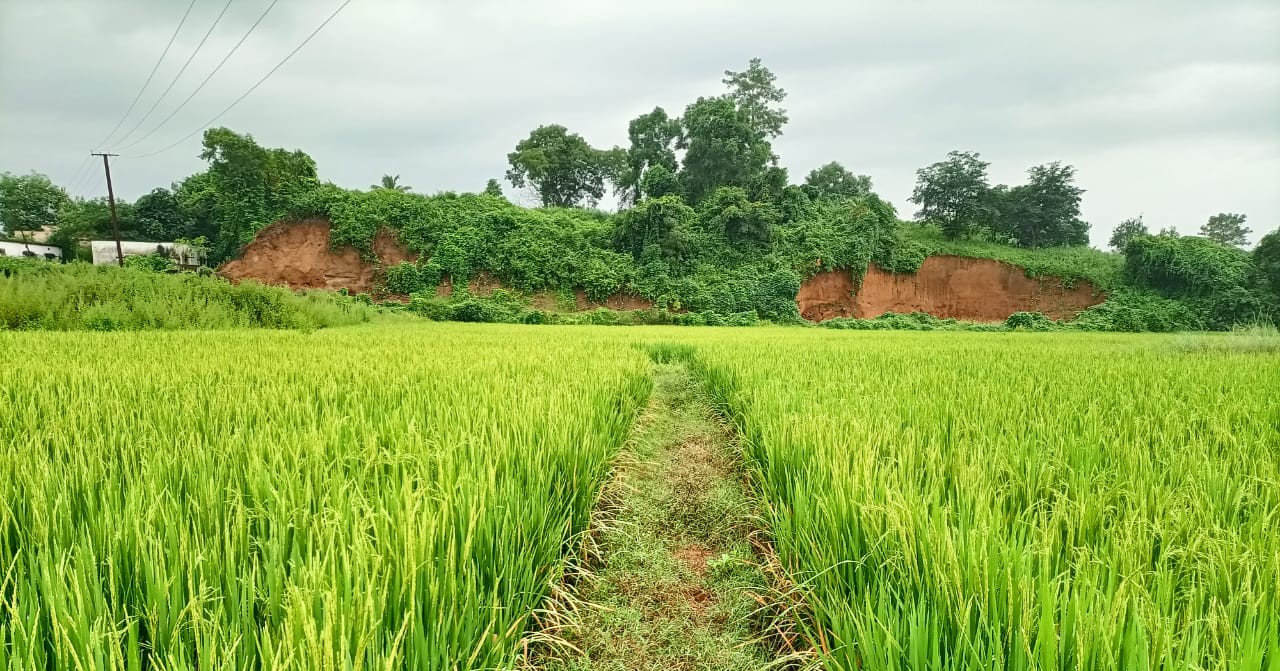
Our major concern is to enhance the food and livelihood security of vulnerable communities through environment-friendly, economically appropriate, community-controlled, and biodiversity-based agriculture/food production activities. Most resource-poor tribal farmers remain vulnerable to food security and poverty due to inadequate access to low-cost, farmer-friendly technologies, productive resources, and timely information.
Considering these bottlenecks, we took the initiative to build the capacity of farmers to manage crop ecosystems and become better decision-makers in promoting sustainable use of resources and crop diversification. Tribal families were provided with inputs, and trained in preparing vermi-pits and practicing organic farming adapted to climate change and aligned with local ecological conditions. We encouraged tribal farmers to define their own food and agriculture systems to secure culturally appropriate food produced in a sustainable manner. We worked with over 2,200 women farmers in more than 60 villages to improve agricultural production, revive indigenous farming practices, and focus on food and nutrition security as well as income generation.
A series of training and exposure programmes were conducted for key farmers, producers, collectors, and Community Resource Persons (CRPs). These included skill training in value addition, agronomic practices, community farming, local gram/pulse production and consumption, sustainable harvesting techniques, and methods to increase crop yield.

We also facilitated the development of climate-resilient agriculture in these villages by promoting the Sustainable Integrated Farming System and optimizing the use of natural resources. More than 2,400 farmers started using organic pesticides, and 600 farmers established their own vermi-compost units for producing organic manure. We are continuously strengthening the capacities of communities to adopt ecologically viable livelihood practices rooted in their traditions, and promoting climate-resilient activities. Among the 600 trained farmers, all are now implementing organic methods in farming and enhancing their harvests with significantly lower investments and labour.
Earlier, farmers were fully dependent on the market for chemical fertilizers and pesticides. However, after several community meetings, farmers in the targeted areas are now aware of ecological agriculture and its long-term benefits. Technical inputs were also provided by the Department of Agriculture. In addition, tribal farmers were made aware of the benefits of intercropping with beans, radish, and cowpea, alongside farm forestry and horticultural activities.
Vegetable Gardening
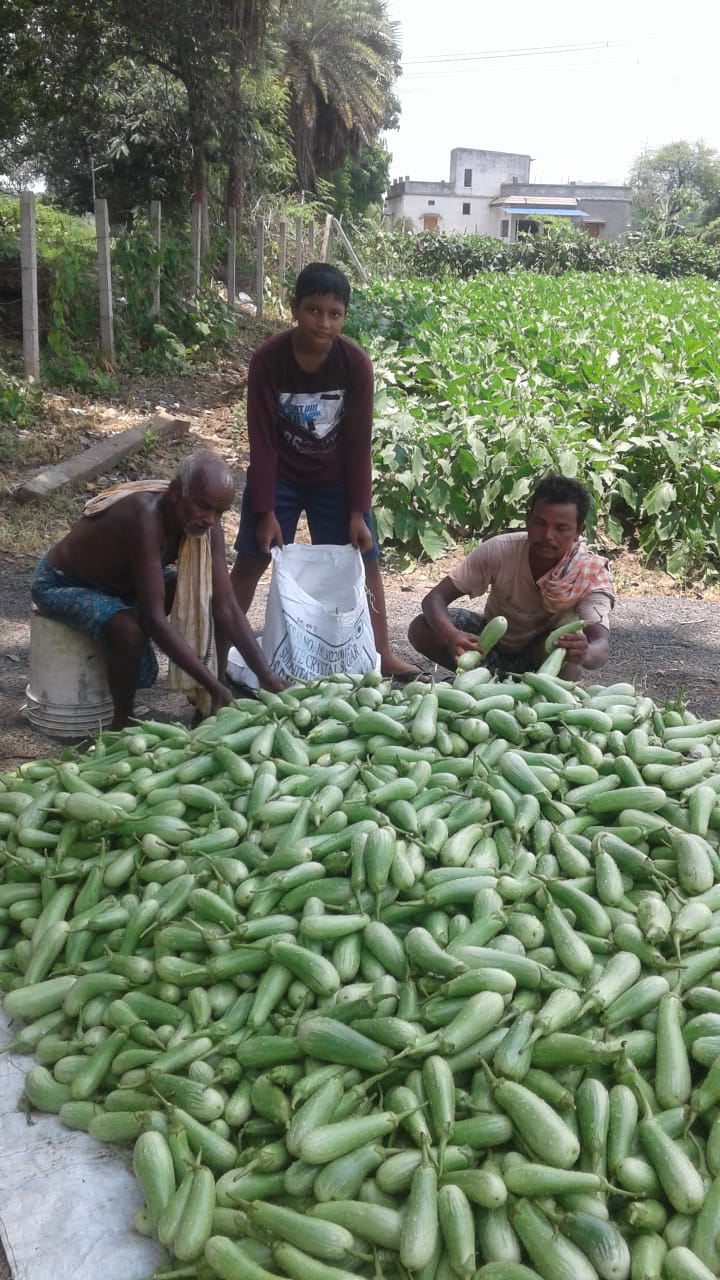
Paribartan, the implementing organization, is committed to alleviating poverty and improving the diets of poor and vulnerable households through a vegetable gardening programme. Apart from improving vegetable production technologies, Paribartan and farmers' associations are seriously exploring the potential of under-utilized, locally grown vegetables to increase incomes and improve nutrition. The mission of this activity is to enhance nutritional well-being and raise the incomes of poor, identified tribal households in the project area through improved varieties and methods of vegetable production, marketing, and distribution, while taking into account the need to preserve environmental quality.
The outcomes of this activity enable married women with children to benefit from improvements in vegetable gardening. It falls within the bounds of what they are culturally expected (and allowed) to do, and having access to a self-generated source of income strengthens their position in intra-household dynamics. By growing their own food, women primarily focus on saving money on family cash expenditures. It has also been noticed that women's access to and control over productive resources (including land, credit, labor, and information), as well as access to and control over the benefits of production, have widened. The vegetable gardening programme also helps to address practical gender needs and supports women in achieving greater equality, contributing to shifts in traditional roles. Now, family members recognize the contributions of women, thereby increasing their empowerment. This activity creates a conducive environment for women to improve their status by highlighting their role in food security and their potential to improve the health of family members, especially children, pregnant women, and lactating mothers.
The programme has helped the local economy and generated jobs. Among all targeted households, 63% have increased their income by at least 25% and have subsequently improved their living conditions. The participation of women has been significant. Through the productive micro-farm initiative, women have gained a space within the household that they did not have before. They contribute to the household economy, generate surplus and healthy food, and their experience has had a positive effect on self-esteem, skill development, and mental health.
Considering the benefits of vegetable gardening as a means to alleviate poverty, improve the village environment, and promote more productive, sustainable community-based women’s groups, Paribartan, in consultation with grassroots women’s groups, extended support to 850 families to take up vegetable gardening during the project period. The involved tribal families have increased land use by 30–70%. About 60% of the families have taken up winter cultivation (previously, they relied only on rain-fed agriculture during the rainy season). The visible impacts of the changed cropping pattern include increased crop diversity. Farmers have added new crops like wheat, groundnut, sunflower, leafy vegetables, brinjal, ladies’ finger, watermelon, tomato, chilli, cucumber, and carrot, as well as root crops like onion, turmeric, and sweet potato. An overall change in cropping is observed in 60% of the total cultivated area. This agricultural activity has improved subsistence living conditions and reduced migration by 23%.
Quality Planting Materials and Cultivation of Ashwagandha
Cultivation of medicinal plants in a commercial mode is one of the most profitable agri-businesses for farmers in India. If anyone has sufficient land and knowledge of herb marketing, they can earn a high income with moderate investments. Cultivation of medicinal herbs is changing the Indian agrarian Ayurvedic scene and providing extraordinary opportunities for farmers to increase their incomes. There is a need to introduce these crops into the cropping systems of the country, which, besides meeting the demands of the industry, will also help maintain standards of quality, potency, and chemical composition.
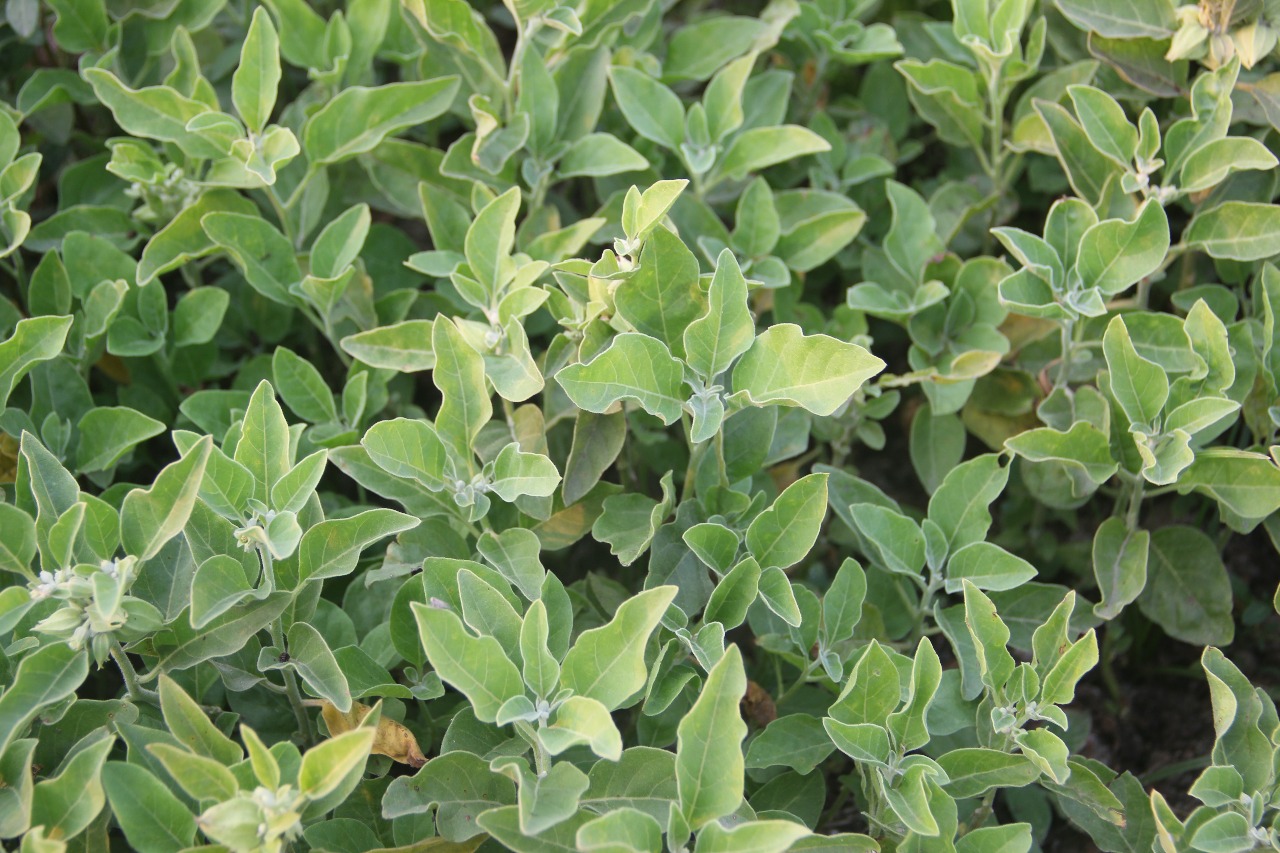
Keeping in view the scope, opportunity, climatic conditions, and flora and fauna of the area, the expert team headed by a herbal consultant surveyed various agro-climatic regions of Pallahara and found that the Eastern Ghat mountain range would be conducive for the cultivation of Ashwagandha. Considering the opportunity, Paribartan has initiated action for the generation of quality planting materials and support to tribal farmers for its cultivation to ensure future financial sustainability. The purpose of the project is to develop QPM (Quality Planting Material) of Ashwagandha (Withania somnifera) saplings and support cultivation, including the promotion of medicinal plant enterprises (through commercial cultivation) for generating income and employment for rural communities.
-
Essay and debate competition organised in schools
-
5 nos of Village level awareness raising activities organised
-
20 Beneficiaries supported with planting materials for cultivation
Paribartan believes that wild animals and plants have the same right as human beings to live on the earth and enjoy natural resources. The activity focuses on supporting the protection and conservation of elephants and their habitats by adopting a Public-Private and Community Partnership approach. Regular sensitization efforts are ongoing to promote the community’s skills in dealing with human-elephant conflicts. In turn, these trained individuals will mobilize the community as strong advocates for elephant conservation and help save them from extinction.
Carbon Farming
Rice occupies one-third of the world’s cropland. Rice production is an important part of India’s economy. In Odisha, rice is the major food crop, and about 60% of it is grown under flooded conditions. Rice is cultivated in different environments, ranging from tropical to temperate regions with varying climatic and biological conditions, which naturally affect the rates of CO₂, CH₄, and N₂O emissions. Emissions from paddy fields into the atmosphere are also greatly influenced by cultivation practices and field management, such as ploughing, seeding or transplanting of rice, water management, harvesting, and management of harvest residues. Paddy rice cultivation is responsible for approximately 10% of global methane emissions. It also consumes around one-third of the global freshwater supply.
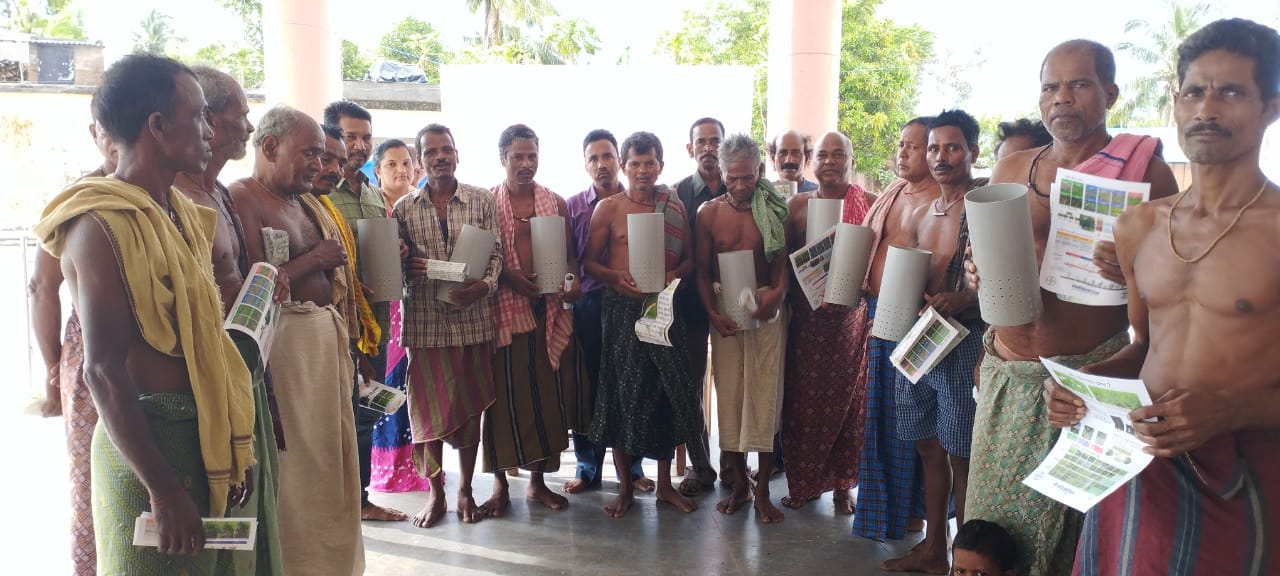
Paribartan, in collaboration with Deenabandhu Trust and BAYER, started a Sustainable Rice Project in 6 blocks of Puri, Jajpur, and Jagatsinghpur districts of Odisha. The purpose was to generate carbon reductions by encouraging rice farmers to switch from the current practice of transplanting with continuous field flooding to Alternate Wetting and Drying (AWD), which involves controlled and intermittent flooding.
-
1037 hectares of paddy field adopted the Alternate Wetting and Drying (AWD) .
-
598 nos of farmers were trained on Alternate Wetting and Drying (AWD) method.
-
Training organized to build capacity of farmers on crop protection, use of fertilizer and pesticides and on harvest residue management.
SFRUTI – Cluster Facilitation Centre (Pata Saree), Berhampur
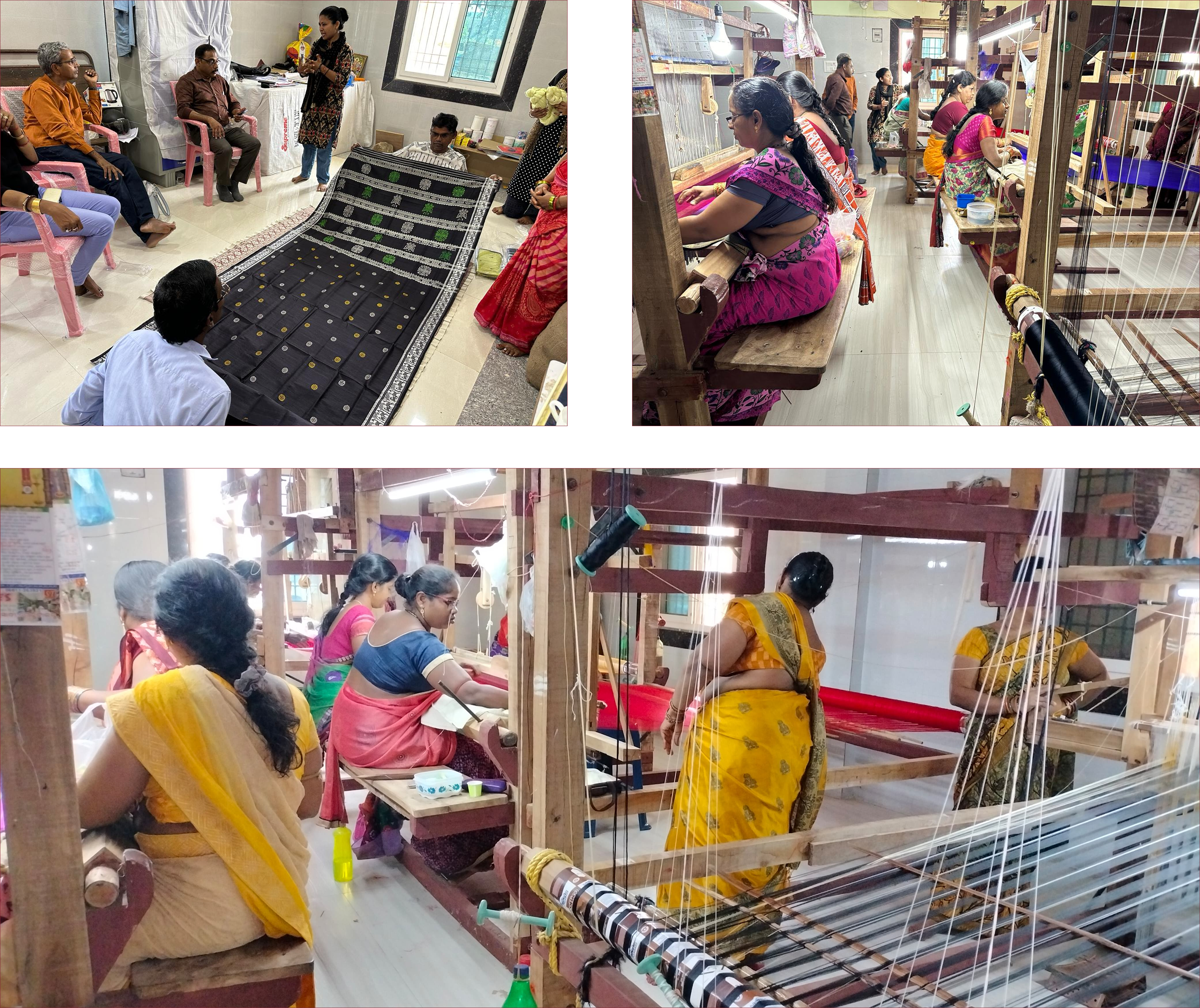
Upgrading skills and knowledge, as well as accessing the latest and modern technology, are essential for traditional weavers to have better livelihood opportunities and increase wages. Skill upgradation and certification of the weavers under the SFURTI programme is not only introducing computer-based designing and the use of improved Tanta and equipment, but also enhancing the competency of the weavers at par with weavers of other states, thereby improving value addition and the quality of their products. Women weavers received training and advanced training, and went for exposure visits to improve their artisan skills and competencies. They received kits, silk yarn, and inputs for geometrical designs and sober colors that ensure better prices, boost sales, and further the improvement of their economic condition. The project is likely to progressively impact 500 patta weavers, out of which 400 are women and 100 are men. It is a 3-year project for the period 2019–2023. The cluster project is supported by the Ministry of Micro, Small and Medium Enterprises (MSME), Government of India, with the Institute of Entrepreneurship Development, Odisha (IEDO) as the Nodal Agency and the Entrepreneurship Development Institute of India (EDII) as the Technical Agency.
Non Farming Activities

In peasant economies, typically characterised by population pressures and small, fragmented landholdings, agriculture alone cannot provide a sustainable solution to rural unemployment and underemployment. Considering the limited capacity of the agricultural sector to offer gainful employment and sustainable income to farming households, we initiated a rapid appraisal to explore the potential for non-farm economic activities and identify feasible income-generating options for decent livelihoods.
The contribution of various non-farm activities has created employment opportunities for the labour force, thereby reducing pressure on agricultural land and alleviating unemployment. To improve the living conditions of landless and women-headed families, we implemented income generation programmes such as livestock rearing, processing, and value addition of non-timber forest products—especially for intra-state migrant families—based on the feasibility and adaptability within the target community.
To enhance the economic condition of the target groups, various income-generating activities were introduced, including pickle preparation, badi and papad making, garment production, grocery packaging, and Chatua mix preparation. We also facilitated bank linkages for Self-Help Groups (SHGs) and women’s groups to ensure access to credit facilities for initiating income-generating programmes and micro-social activities.
These women’s groups have developed the capacity to monitor their initiatives and, most importantly, have federated and designed business plans for improved livelihood and economic sustainability.
Micro Social Enterprises
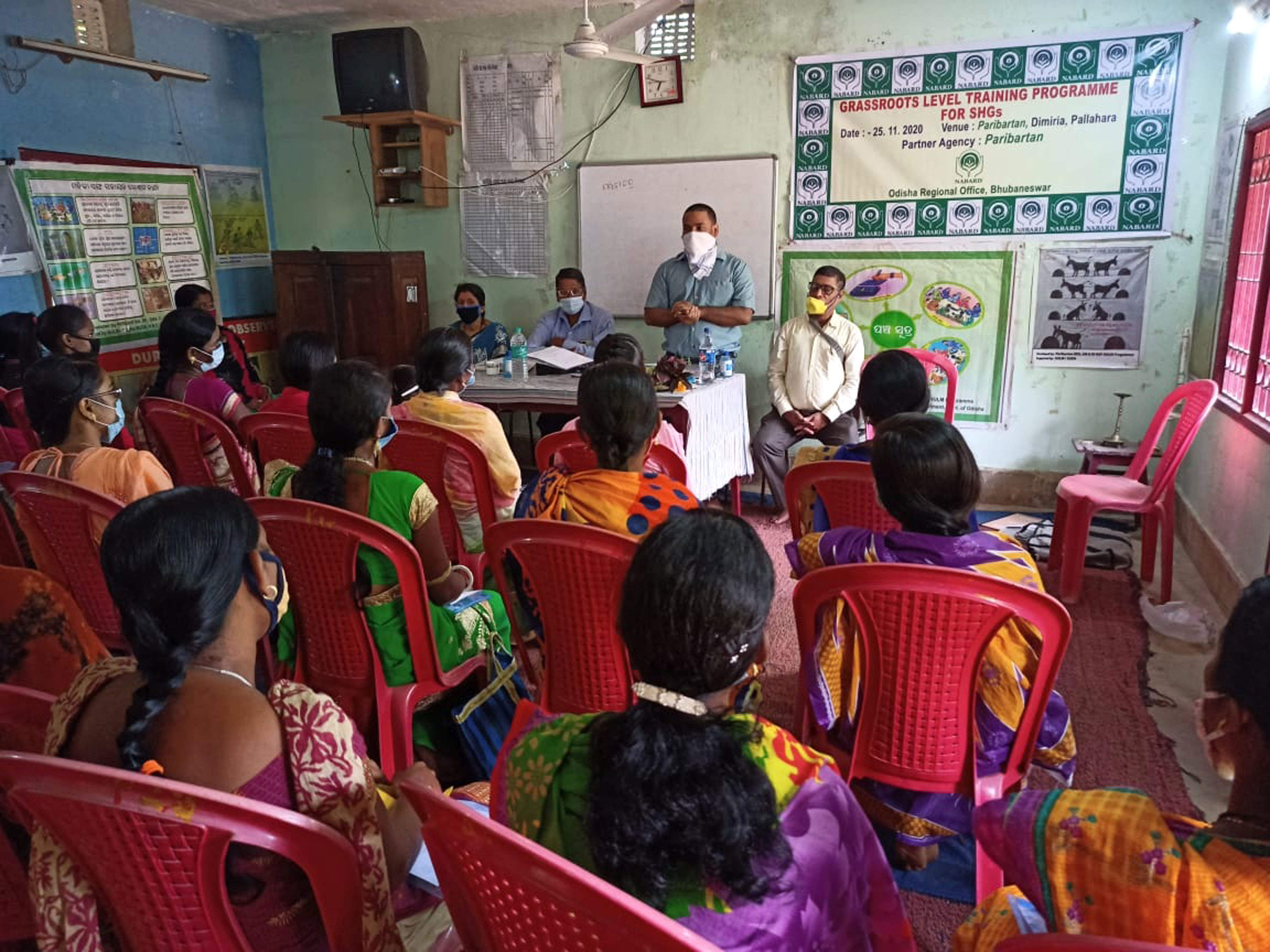
The National Urban Livelihood Mission (NULM) envisages the mobilisation of urban poor households to form their own institutions into a three-tiered structure with Self-Help Groups (SHGs) at the grassroots level, Area Level Federations (ALFs) at the slum/ward level, and City-Level Federations (CLFs) at the city level.
As a Resource Organisation for Berhampur, Angul, and Cuttack cities in Odisha, we provided time-bound and intensive support for implementation and catalyzed the formation of SHGs, their federations, capacity building of all members, and their aggregators like ALFs and CLFs, as well as the financial inclusion of SHG members under the SM & ID component of NULM. Our team, along with community resource persons, worked at the field level for 24 months towards the formation of SHGs under NULM/SULM. Through adopted innovations, strategies, and timely utilisation of professional services, we successfully achieved 100% of the targets envisaged by NULM.
Achievements
| Sr. No | Activity | Berhampur, Municipal Corporation | Cuttack Municipal Corporation | Angul Municipality |
|---|---|---|---|---|
| 1. | No. of SHGs formed | 767 | Initial stage for formation of SHGs | 137 |
| 2. | No. of Bank Account Opened | 703 | Initial stage | 114 |
| 3. | No. of SHGs Trained | 703 | - | 112 |
| 4. | No. of RF accessed by SHGs | 385 | - | 60 |
| 5. | ALF formed | 64 | - | 7 |
| 6. | Bank Linkages | 45 SHG + Individual Loan | - | 17 + Individual Loan |
Tasar Rearing
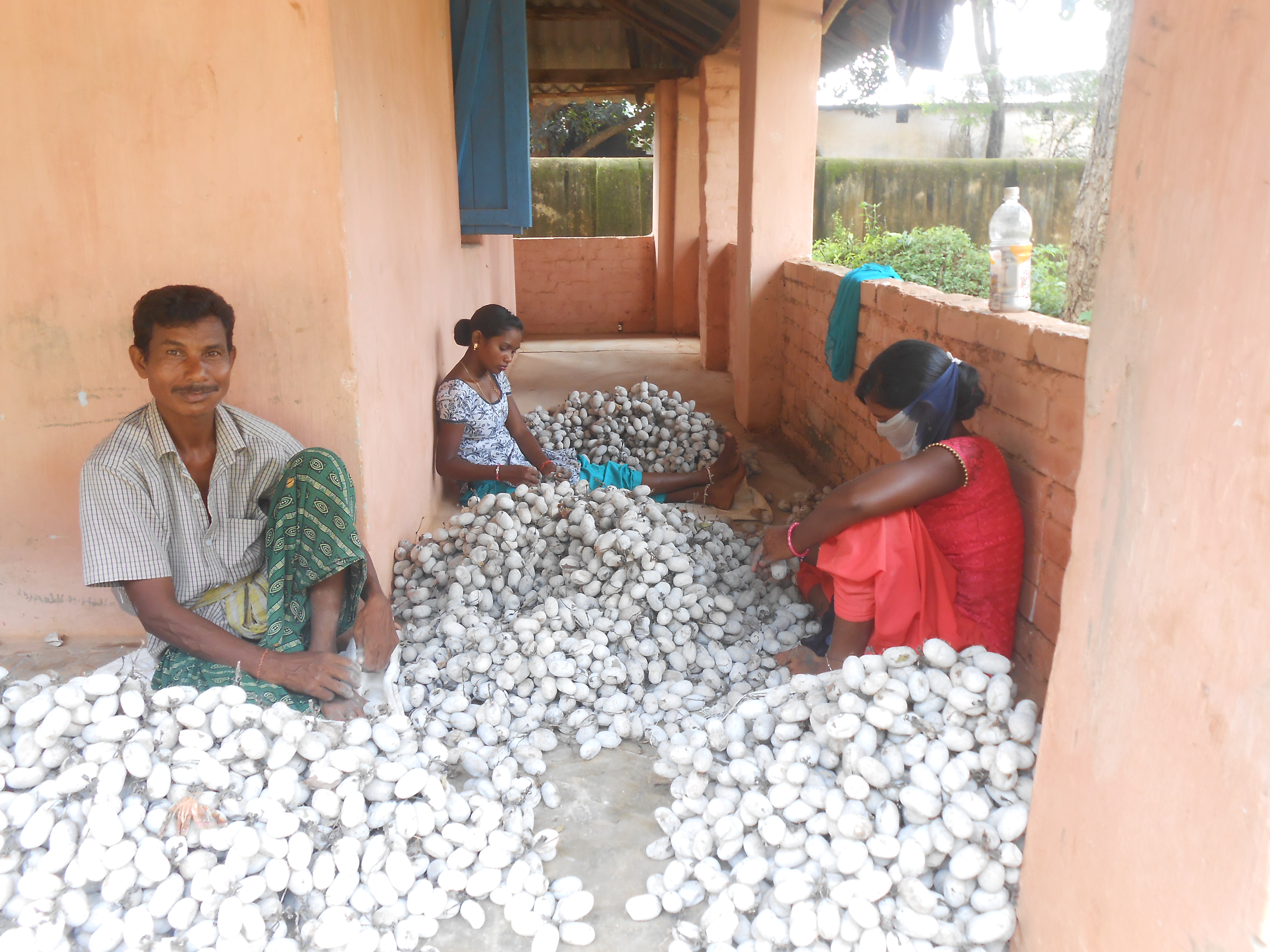
Tasar rearing is one of the traditional supplementary livelihoods of indigenous communities of inland districts of Odisha. It is a forest-based agro-industrial avocation and a source of livelihood for tribal people living on the edge of the forest. Tasar rearing has special significance owing to its position in providing self-employment and in terms of its socio-cultural, socio-economic, and ethnic importance. Indigenous knowledge, ancestral property, rich culture, and traditions are the major contributing factors for securing the livelihood of the tribal community.
Farm forestry, specifically wild Tasar rearing, seems to be the most appropriate and feasible activity for the economic empowerment of the tribal community. We initiated Disease-Free Laying (DFL) production activities. It has become a continuous programme, and we have emerged as a resource center in the farm forestry sector for the production of DFL. DFL production work was started at the community level with the technical support of the Central Silk Board. It has successfully revitalised the eroded indigenous farm forestry activities of the tribal community. Tasar rearers were imparted training inputs on in-house rearing, brushing, care during transportation, watch and ward, and the application of indigenous knowledge and techniques to drive out wild ants, insects, and birds. Tribal households have been receiving gainful employment opportunities for a minimum of 145 days and earning their livelihood. Tasar rearers are receiving lucrative returns and earn Rs. 5000 to Rs. 6000 every year.
The Area Level Federations, namely BASTAB and SAPAT—the apex bodies of 10–12 SHGs—were awarded the Swachhata Excellence Award by the Ministry of Housing and Urban Affairs, Government of India, for their outstanding performances during the years 2018 and 2019 respectively. These ALFs were nurtured and provided with continuous handholding support to deliver quality services to their fellow community members and member SHG groups. The Hon’ble Chief Minister of Odisha also felicitated the functionaries for their achievements and contributions.