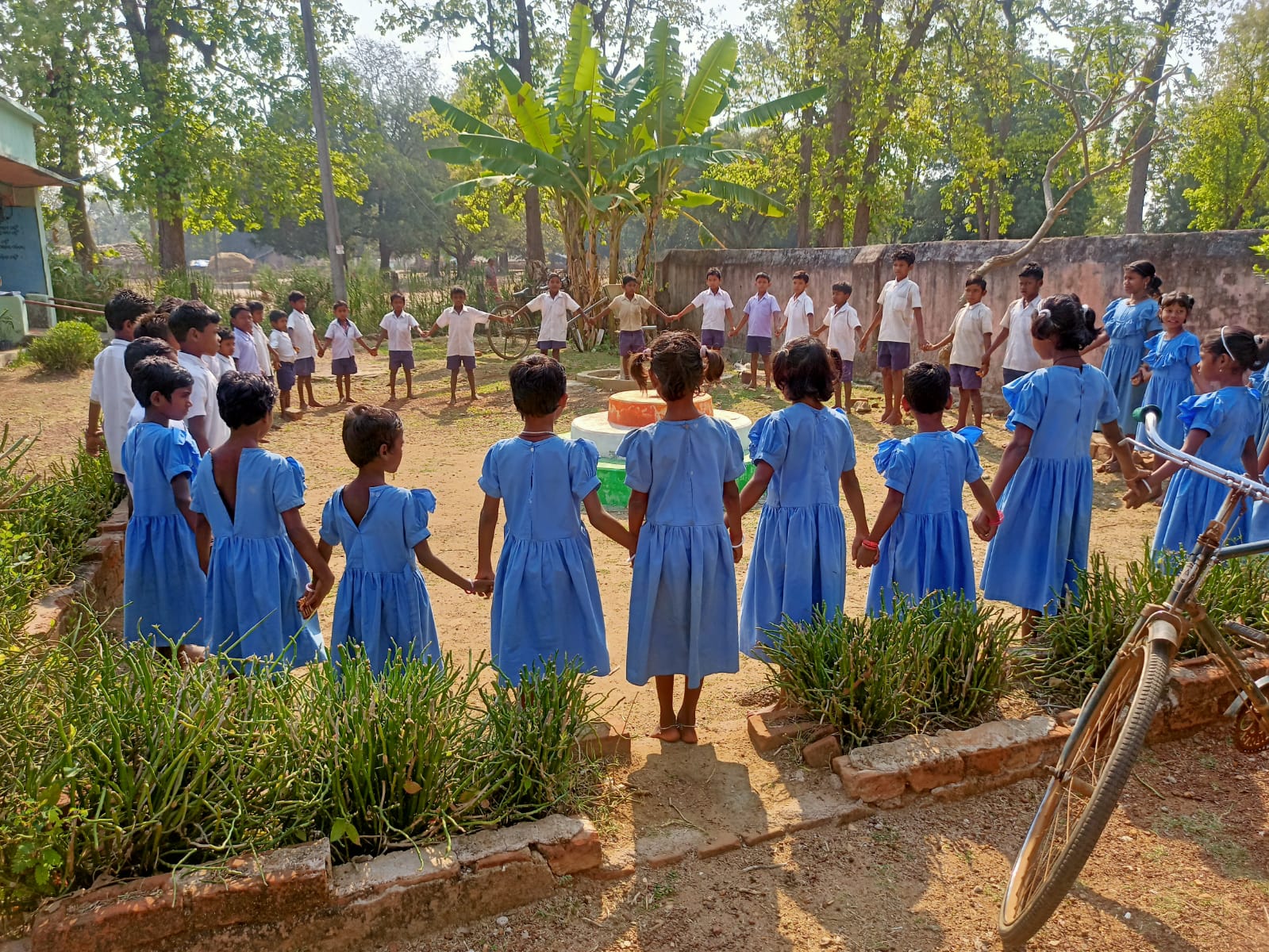
For over a decade, we have been closely working with children to help unfold their potential and create an enabling environment for their growth and development. Pre-primary education was thus found to be a necessary precursor to primary and secondary education. However, many sections of our society are bereft of this facility. Paribartan is committed to supporting the enhancement of Early Childhood Care and Education, focusing on cognitive, aesthetic, and sensory-motor skill development.
Aligned with the vision of the National Education Policy 2020—which emphasizes play-based learning at the foundational stage—and working together with communities, educators, and experts, we aim to strengthen early education. The initial six years are formative in a child’s life, during which the child begins to associate with its surroundings and develops an orientation towards life. We, along with volunteers and the community, are creating a child-friendly learning environment to foster better learning skills and prepare children for a life with dignity.
More than 8,000 children have benefitted from this initiative. Early education has helped mainstream thousands of children into continuing their education.
Nutrition & Education Programme
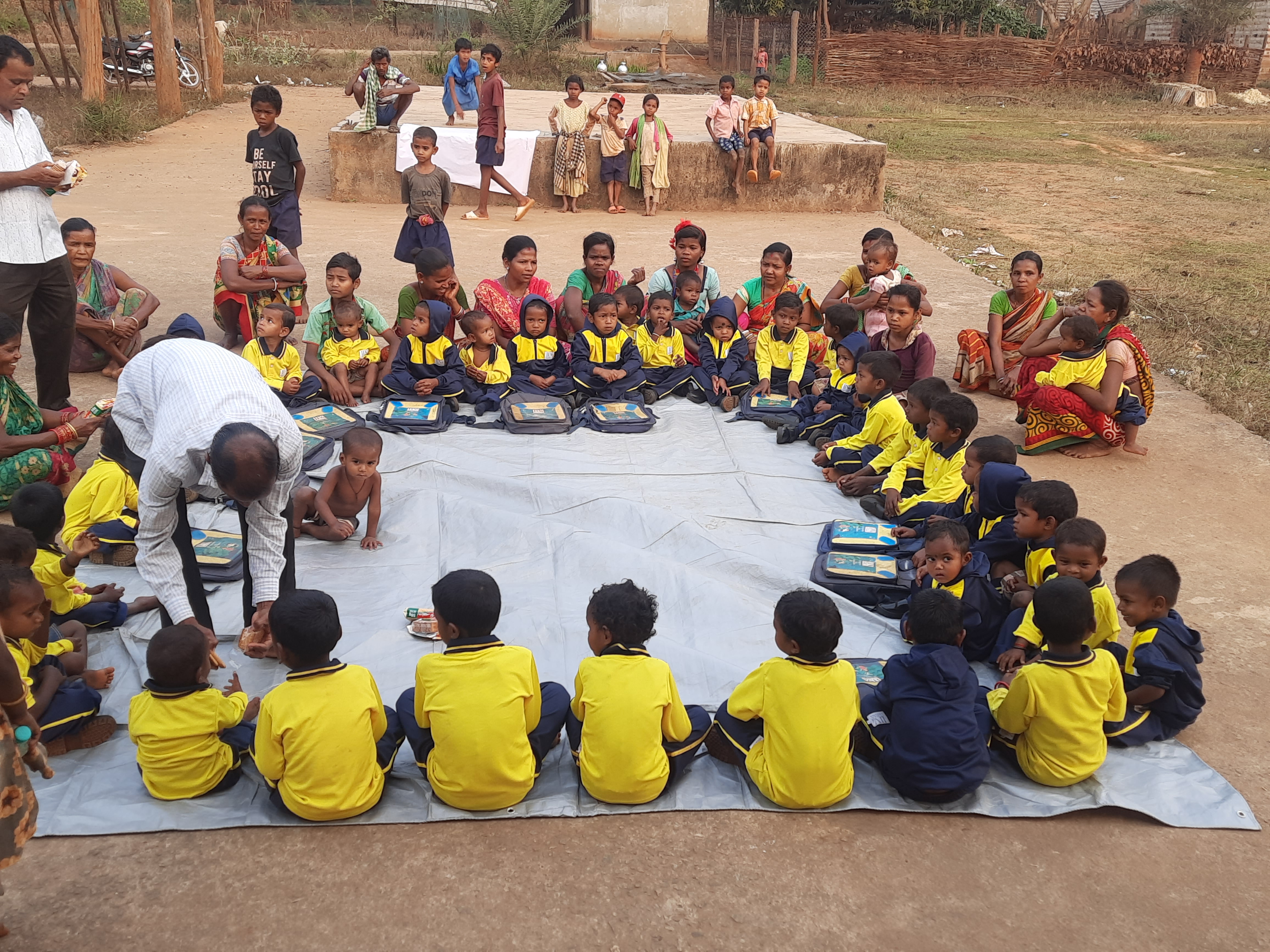
The pre-school nutrition-cum-education programme is continuing in 7 isolated villages of Pallahara Block, mostly dominated by tribal populations. Paribartan engaged and trained 7 village-level volunteers to provide 150 ml of milk and 6 biscuits to preschool-going children, and to impart education using play-way methodology with the purpose of arousing interest in regular attendance and developing sensory-motor and communication skills. Regular growth monitoring is conducted on a quarterly basis. Two pairs of uniforms were provided to each child. In addition, the volunteers organize mothers’ meetings on a monthly basis. They are provided with information on available entitlements from both the Union and State Governments, communicable diseases, and locally available nutritious foods, fruits, and vegetables. Most importantly, the volunteers motivate mothers to attend the Village Health & Nutrition Day and to immunize their children. This project is supported by JIV DAYA FOUNDATION.
-
283 children are attending the pre-schools at 7 centers.
-
Every day, the volunteers monitor handwashing practices and personal hygiene.
-
Mothers accompany their children (up to one year old) to the center and receive milk and biscuits.
-
Volunteers conduct sessions for sensory-motor skill development.
Special classes for tribal and dalit children in Pallahara, Angul, Odisha
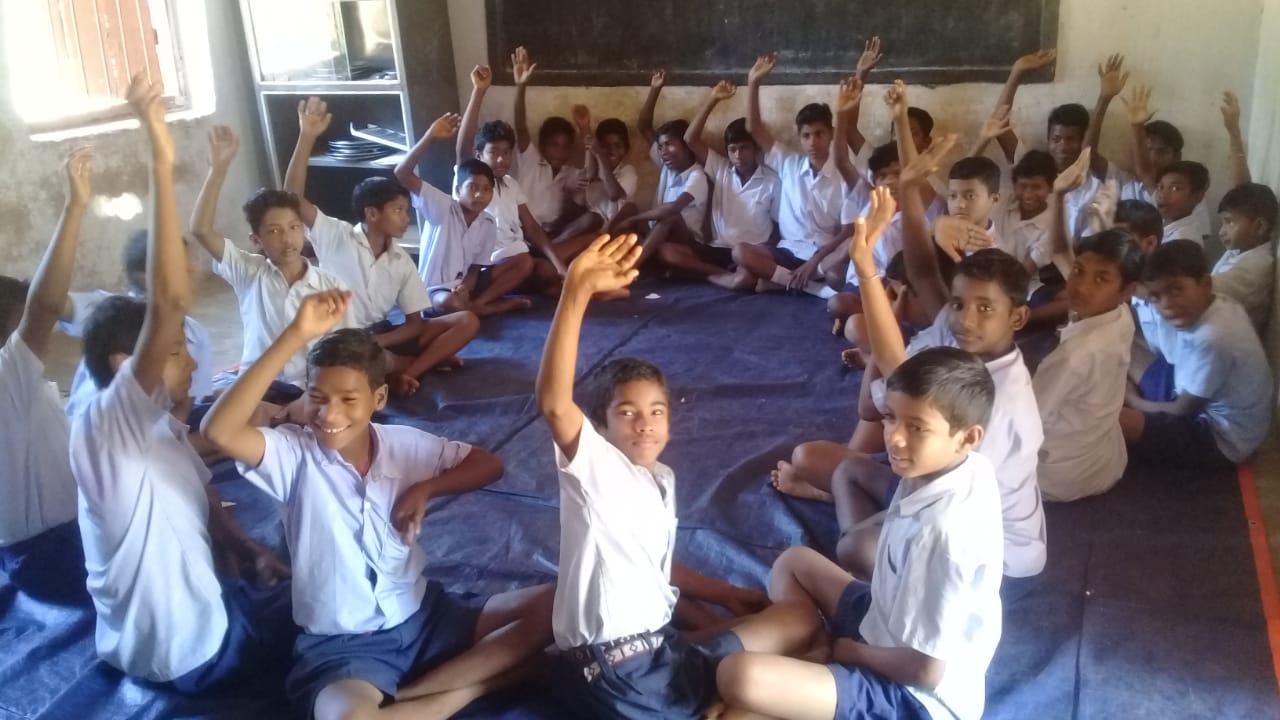
For schools to run effectively, Paribartan identified proper locations for its pre-primary and primary centres and schools to ensure peaceful interaction between students and teachers without external disturbances. To assist children in coping with their studies, Paribartan runs supportive classes at 10 centres. These are after-school programmes where students receive help with their studies.
We are running 10 special educational centres to provide free coaching to children aged 6–14 years. The target groups mainly include children involved in child labour, out-of-school children, and those living in difficult circumstances. These centres operate daily and cover all basic subjects in the curriculum, such as English, Mathematics, and Science. In addition, we support students by providing educational supplies – books, notebooks, pencils, uniforms, slippers, etc.
A total of 234 boys and girls are currently attending these special classes. To prevent child labour and ensure child rights in the region, we have facilitated the formation of community-based groups that are collectively coming forward to support child rights. We have also enabled the formation of children’s associations or clubs to raise awareness about child rights among children.
Teachers training programme
This training programme builds the capacities of community-based teachers and project staff, providing them with the right set of skills to create an environment where children can experience joyful learning. It also aims to equip teachers with educational aids and learning materials for effective teaching.
The key content of this session includes motivation, pedagogy styles, the concept of school, teacher-student relationships, community/parent interaction, gender sensitisation, and communication skills. Some of the important aspects covered are subject-specific knowledge, multi-grade teaching, teacher motivation from a child rights perspective, identification of children in traumatic conditions, and preparation of teaching-learning materials—both for children in general and specifically for those in traumatic situations.
Lastly, the programme concludes with a focus on designing an integrated monitoring system for schools and centres, along with a monthly qualitative monitoring and reporting system using a checklist with quality parameters—ranging from the learning environment to community and Panchayati Raj Institution participation in monitoring and governance.
A total of 120 teachers from Pallahara, Angul, Odisha attended the training programme.
Empowering children to ensure their rights to survival, protection, development and participation
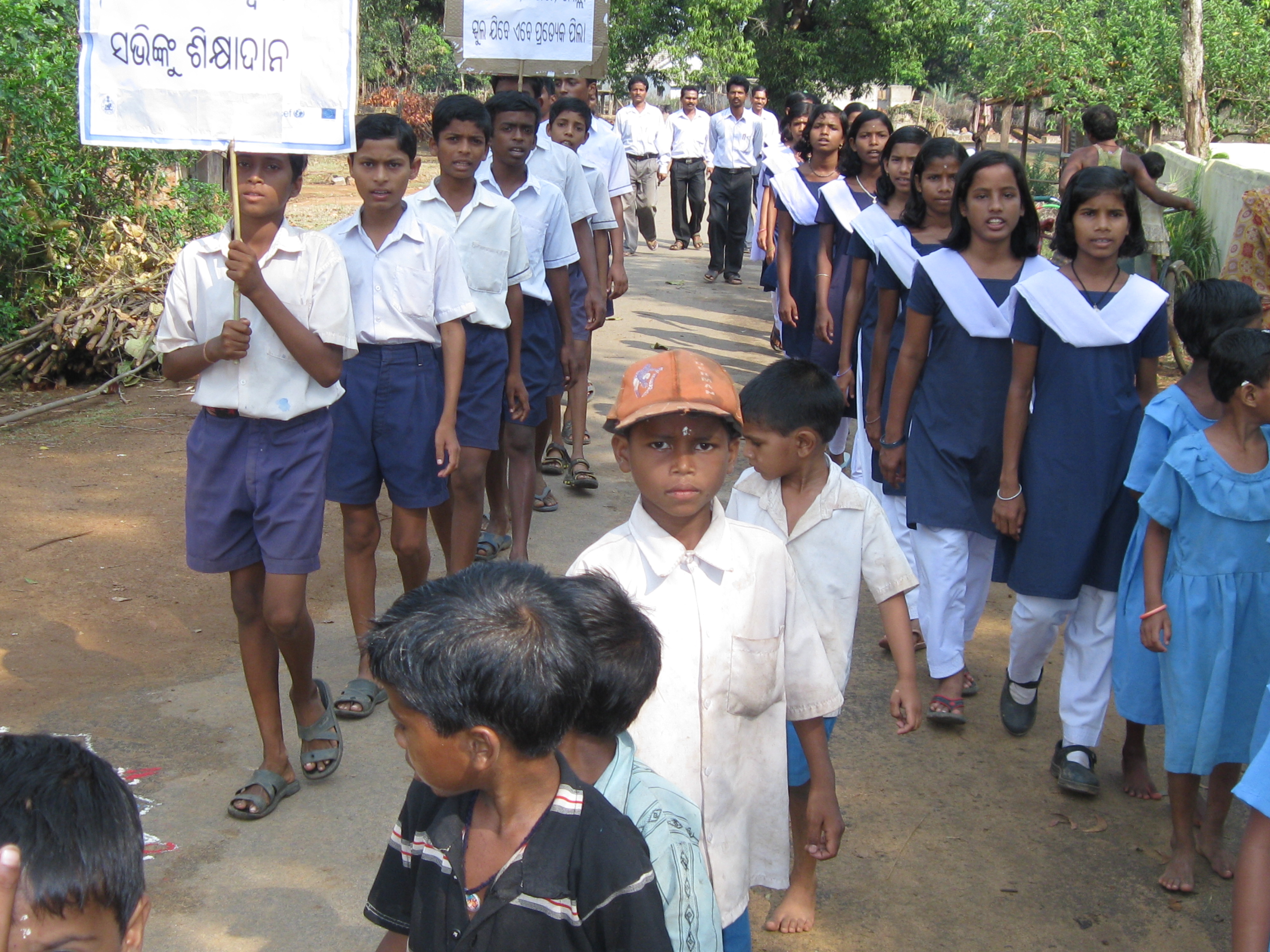
We feel a strong urgency to ensure and safeguard the rights and entitlements of children from resource-poor communities. This programme is aimed at the all-round development of 7,300 working children, ensuring their rights to survival, protection, development, and participation. In addition, it seeks to provide these children with access to basic services.
The project was implemented across the entire Pallahara Block in Odisha through the active involvement of Community-Based Organisations (CBOs) and Self-Help Groups (SHGs). This year, several new activities were introduced under the project, including media sensitisation workshops and health awareness rallies conducted in collaboration with the district health department.
Snapshots of Realising Rights
-
Ensured quality education to some 4564 children (Boys – 2035, Girls - 2529) by engaging volunteer teachers.
-
Mainstreamed 1427 children (Boys –749, Girls - 678) in government schools.
-
Medical treatments were provided to 2711 children by referring them to health facilities and health camps.
-
3045 children used the facility of a first-aid box.
-
Life-skill trainings were provided to 3047 children.
-
2316 children provided information on health hygiene and WASH.
-
2501 children were taken to visit the places of interest and knowledge.
-
Provided information of various measures of Child Protection and different entitlements meant for them.