
Environment and Climate change
Forest Protection
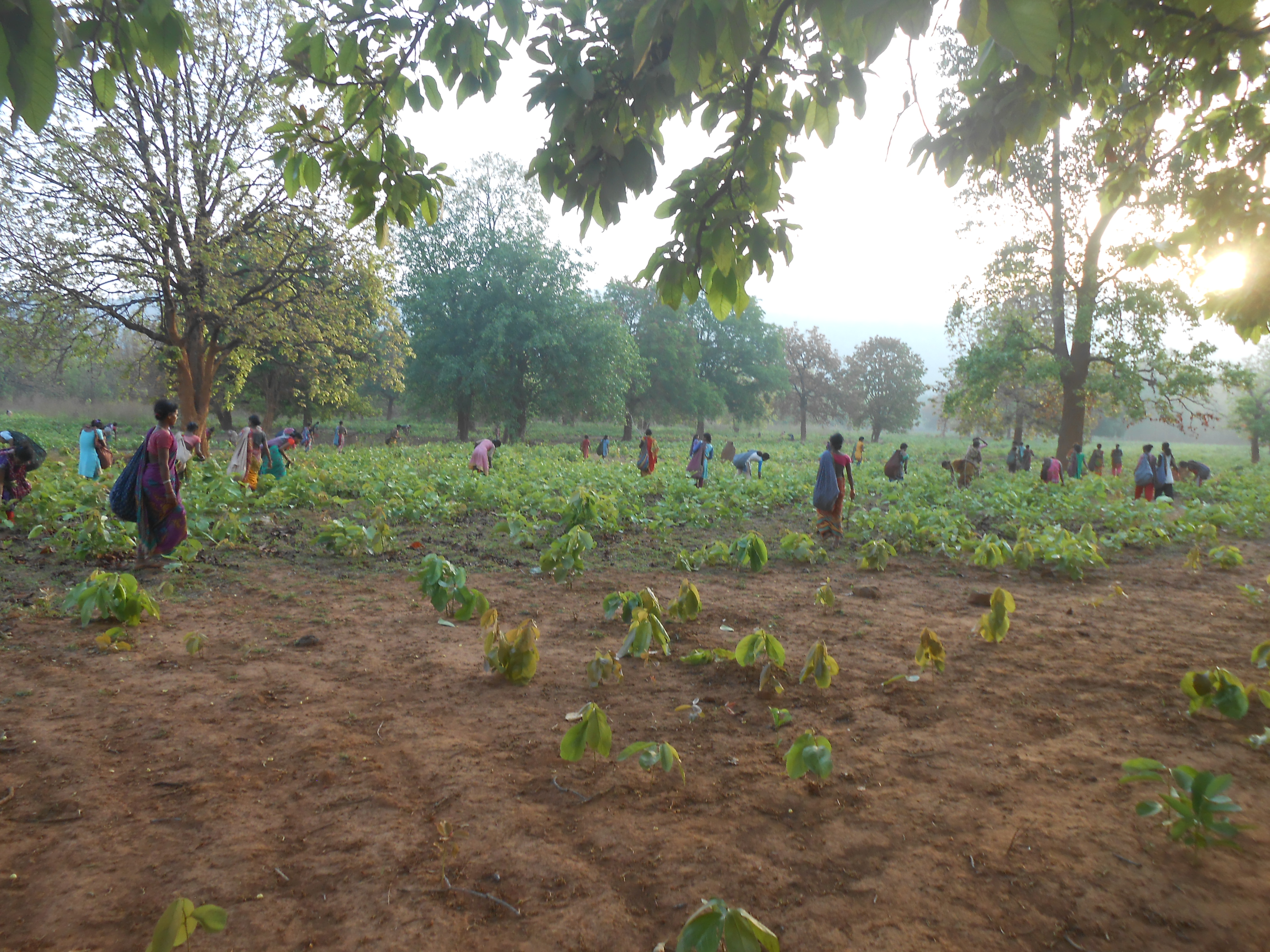
We adopt a holistic approach toward improving the lives and living conditions of tribal and forest-dependent communities—especially women—by enabling access to and control over productive resources through the facilitation of collective action for the protection, conservation, and regeneration of woodlots, forests, and reserves, thereby contributing to climate change mitigation.
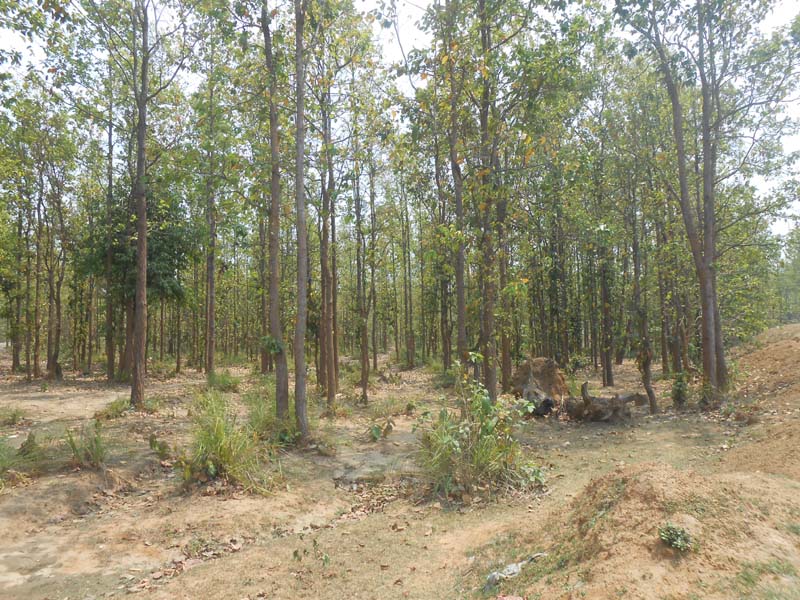
We work toward the conservation of nature, natural resources, and commons through the collective action of local communities. Forests continue to remain the mainstay of the Malyagiri Mountain region (the second highest mountain in Odisha) and its surrounding ecosystem. Since rural inland areas primarily rely on agrarian economies, forests and fodder play a crucial role in the livelihoods of local communities. Beyond providing fuelwood and fodder, forests protect and recharge perennial springs—key sources for maintaining surface and groundwater levels—and serve as the primary drinking water source for local tribal populations.
It is, therefore, crucial to actively involve communities in the conservation and regeneration of forests. Our strategy has been to build strong community institutions that protect and nurture forests and water bodies, and actively participate in their management. Over the years, we have gradually reduced physical interventions and increasingly focused on supporting and strengthening these community institutions.
Community Water Rights
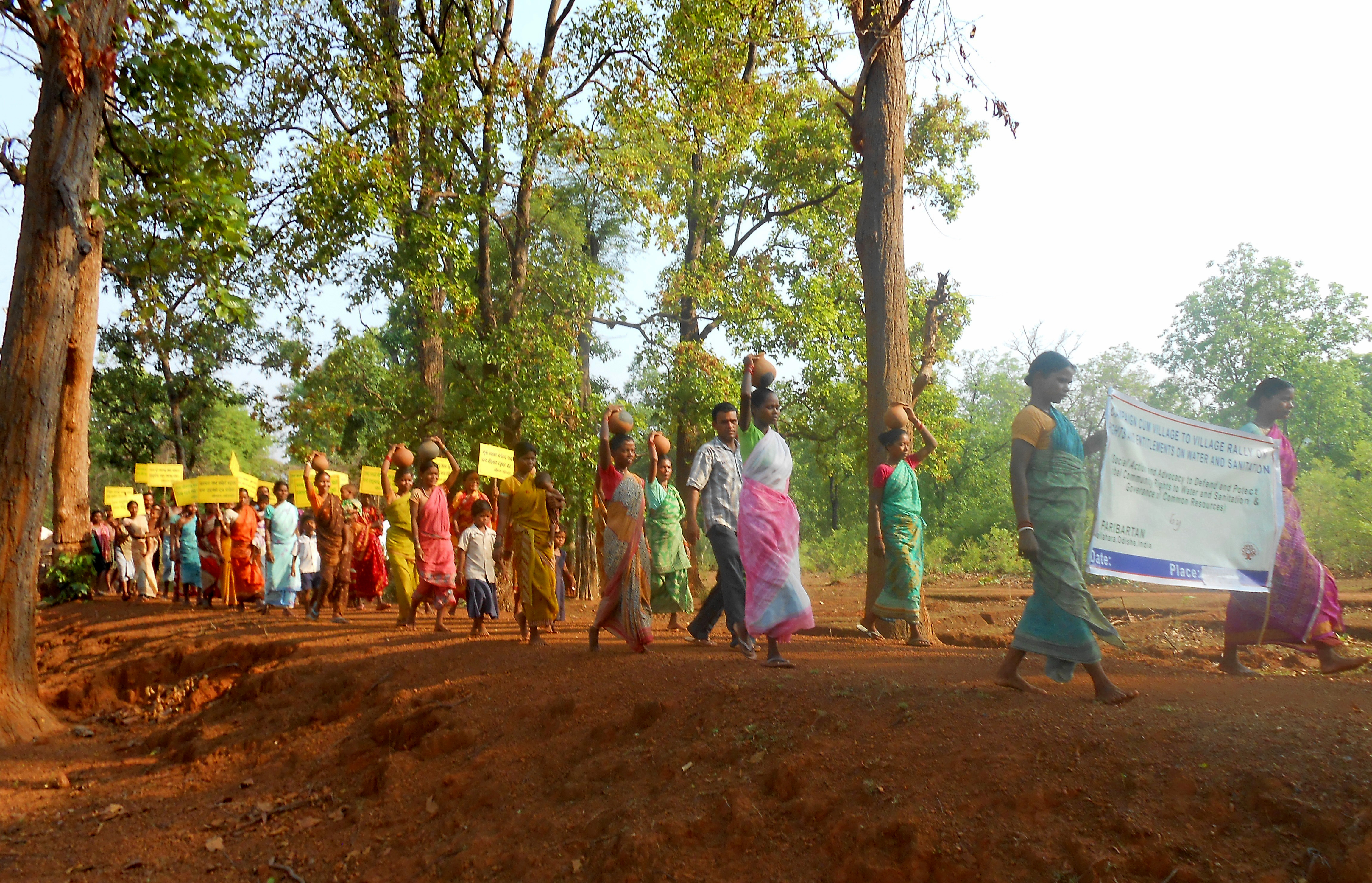
We have actively facilitated the convergence of various constituencies to monitor commitments and defend the rights of isolated and marginalised communities. Through field-based actions and pilot projects, we documented grassroots realities in collaboration with local groups and key stakeholders. This process included developing targeted communication strategies for specific programmes and issues. As part of our awareness efforts, we produced informational booklets on water rights and rights to common resources, along with designing and developing flyers and demystification kits aimed at reshaping media narratives.
Our policy advocacy approach involved alliance-building with civil society organisations (CSOs), media outlets, and international networks through issue-based dialogues and engagements with the mass media.
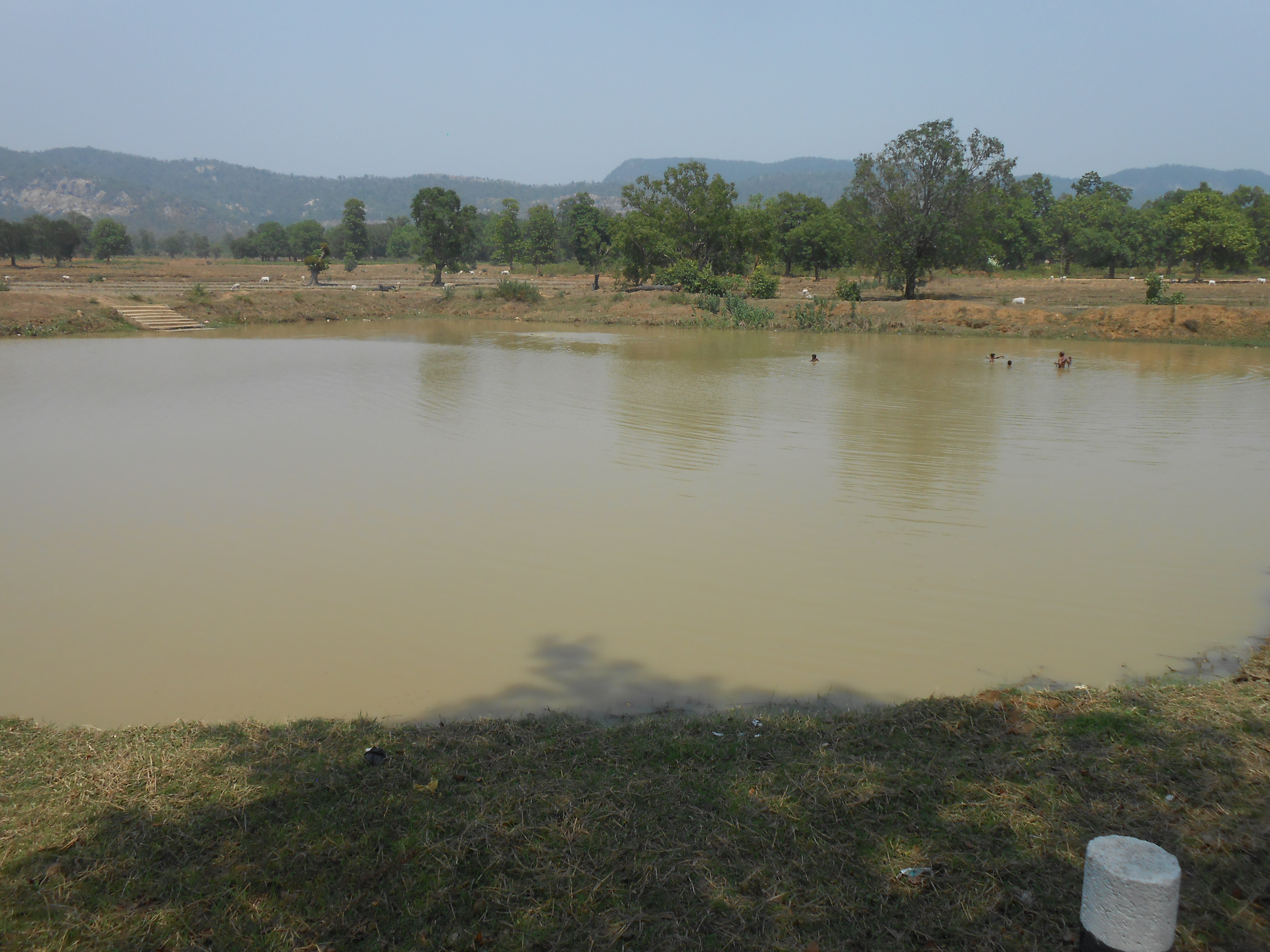
Currently, both surface and groundwater sources are under severe stress—in terms of both quantity and quality. Traditional water bodies—such as ponds and tanks—must be preserved, as they are critical for drinking water, sustaining biodiversity and livelihoods, reducing surface runoff, and replenishing groundwater.
Conservation of Waterbodies
Our work on the right to water and the conservation of water bodies began in 2014, rooted in community participation—especially among indigenous groups. We have focused on reviving the relevance of traditional water bodies in contemporary times and promoting their protection through community-led management. These efforts have also led to the establishment of a growing network of individuals committed to advancing community-based water governance.
We have documented numerous case studies showcasing tribal communities’ involvement in the protection and conservation of water bodies through traditional knowledge. Water harvesting structures and conveyance systems that reflect the ecological, cultural, and livelihood needs of tribal communities have remained at the heart of our work.
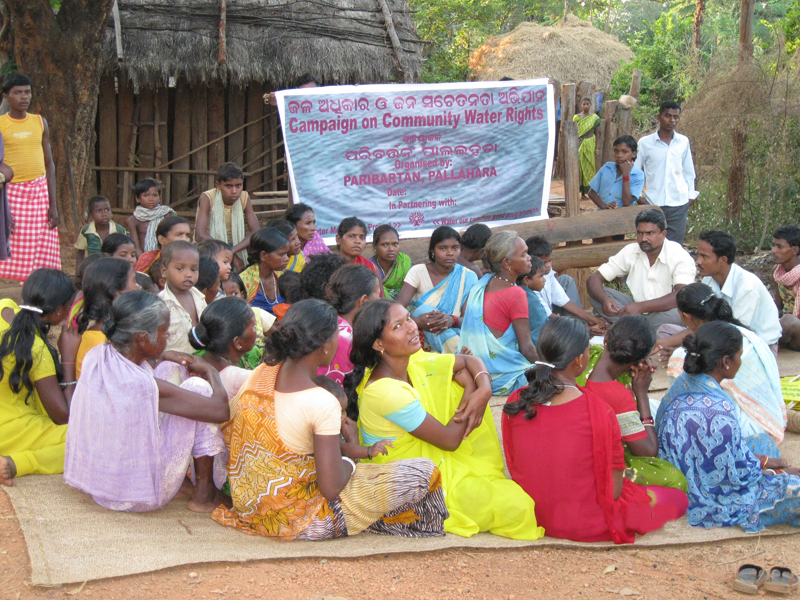
Training of community-based water messengers, tribal leaders and women representatives
The training programme aimed to build the capacity of Water Messengers—primarily drawn from indigenous communities—to strengthen their role in the protection, conservation, and sustainable management of water bodies. These community representatives received advanced training on the causes and consequences of water pollution and scarcity, as well as water quality management. The sessions also explored the broader impacts of degraded water systems, including their effects on human health, habitats, and livelihoods, as well as their role in triggering forced migration, biodiversity loss, and the decline of forest ecosystems.
Key highlights of the training included:
-
A critical brainstorming session to explore the intricate correlations between forests, rainfall, and water recharge in both surface and groundwater tables.
-
Group exercises that provided inputs on water quality and explored actionable steps to secure the right to water and sanitation for future generations.
-
A Rangoli Exercise, where participants used natural materials to draw a resource map on the ground, illustrating water issues in a visual and participatory way.
-
A micro-level situational analysis, followed by an orientation on how to assess and advocate for their rights and entitlements related to common resources, including water and forests.
Implementation of Forest Right Act – 2006
We are one of the partner organisations of the National Adivasi Alliance, India. The alliance has a presence in 11 states and works closely with tribal and forest-dependent communities to ensure their rights and entitlements. We emphasise raising awareness among tribal and forest-dwelling populations to encourage them to actively expedite the implementation of Individual Forest Rights (IFR) and Community Forest Rights (CFR) processes, as well as to promote the participatory management of common resources, including forests.
Our team, volunteers, and the tribal communities collectively decided to focus on the issue of Community Forest Rights, which remain unaddressed in several villages. Committee members were capacitated to oversee developmental activities related to forests and natural resources, working in close coordination with the forest department and local administration. This was done to strengthen the implementation of IFR and CFR under the Forest Rights Act (FRA), 2006.
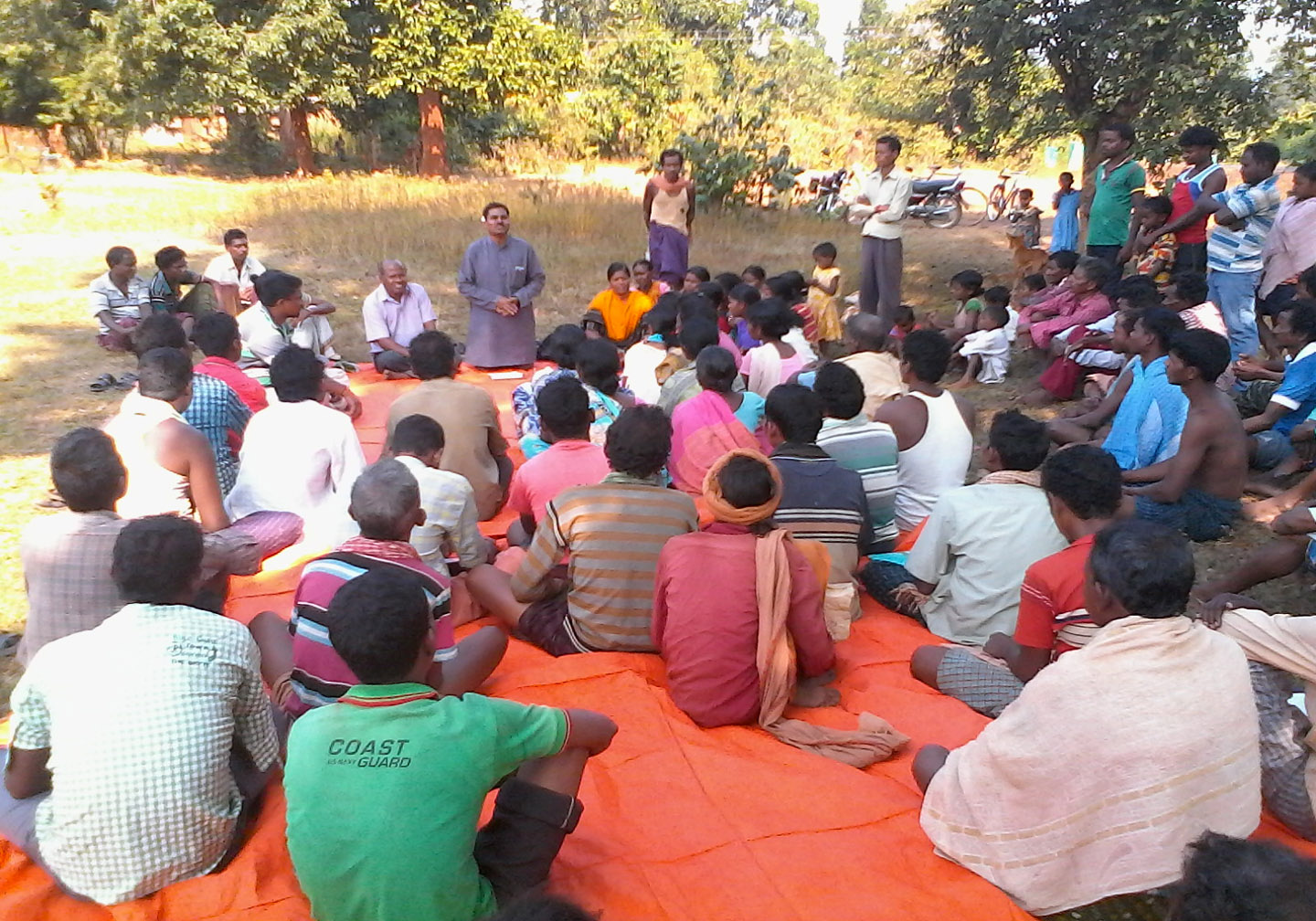
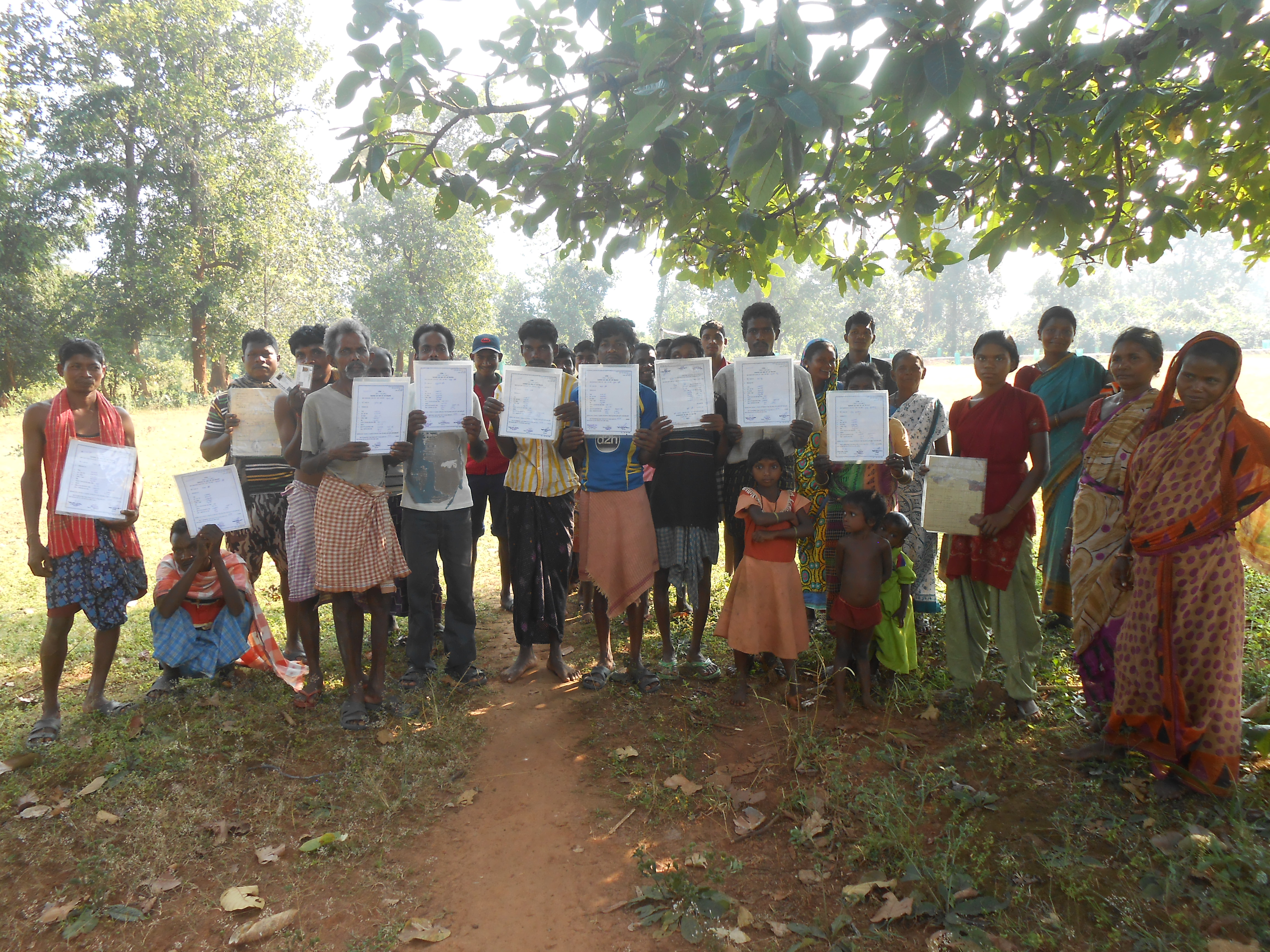
Management of Land & Common Resources of the allotted land under IFR & CFR
Managing the land conferred under Individual Forest Rights (IFR)—to hold, self-cultivate, and reside on forest land—requires consistent handholding support, along with technical knowledge and inputs for planning and sustainable land management under the Forest Rights Act (FRA), 2006. Beneficiaries were empowered to share their opinions and experiences on conserving and regenerating natural forests, and to identify locally appropriate species for plantation that would support their livelihoods. They also received guidance on practices such as cleaning and pruning, regular soil health monitoring, and other sustainable land management strategies.
Community representatives were capacitated to manage the allotted land judiciously and undertook systematic actions to enhance livelihood options using indigenous techniques and traditional knowledge in both farm forestry and agricultural operations.
We initiated the sustainable rehabilitation of land allocated to tribal families under FRA 2006. Horticulture, being one of the fastest-growing sectors in agriculture, plays a vital role in increasing farm incomes, enhancing food and nutritional security, reducing poverty, and contributing to economic growth. Dryland horticulture in the operational area has proven to be a sustainable, eco-friendly, and viable livelihood option for the tribal communities.
In addition, experts provided training and inputs on the preparation of bio-fertilizers, forest plants, and plant-based pest control measures for ecological farming operations. Villagers were also guided on the following:
-
Conservation of natural forests.
-
Community participation in regeneration efforts.
-
Conservation of perennial water bodies in forest areas.
-
Practical approaches to community-managed medicinal plant cultivation and conservation initiatives.
In – Situ conservation and regeneration of medicinal plants
The mountainous regions of the Eastern Ghats are rich in reserves of medicinal and aromatic plant species, including many that are endangered. To promote their conservation, regular sensitisation activities are conducted to raise awareness about the importance of preserving these valuable species that are on the brink of extinction.
Nurseries of endangered medicinal herbs and shrubs are being established, and seeds and saplings are distributed among both programme and non-programme households and communities. Villagers from across the region are actively participating in the conservation of medicinal plant species found in the virgin forest zones.
As the implementing agency, we have successfully organised training programmes on the sustainable and judicious collection of seeds, regeneration techniques using matured seeds, propagation through plant cuttings, as well as processing and preservation methods. Caring for these medicinal plants has now become an integral part of daily life, particularly among tribal women.
It has been observed that around 60% of tribal families use medicinal plant-based remedies—such as pastes, decoctions, and crude extracts—for treating their livestock. These ethno-veterinary practices not only help reduce household expenses but also contribute to the economic well-being of Adivasi communities engaged in animal husbandry.
Nursery raising
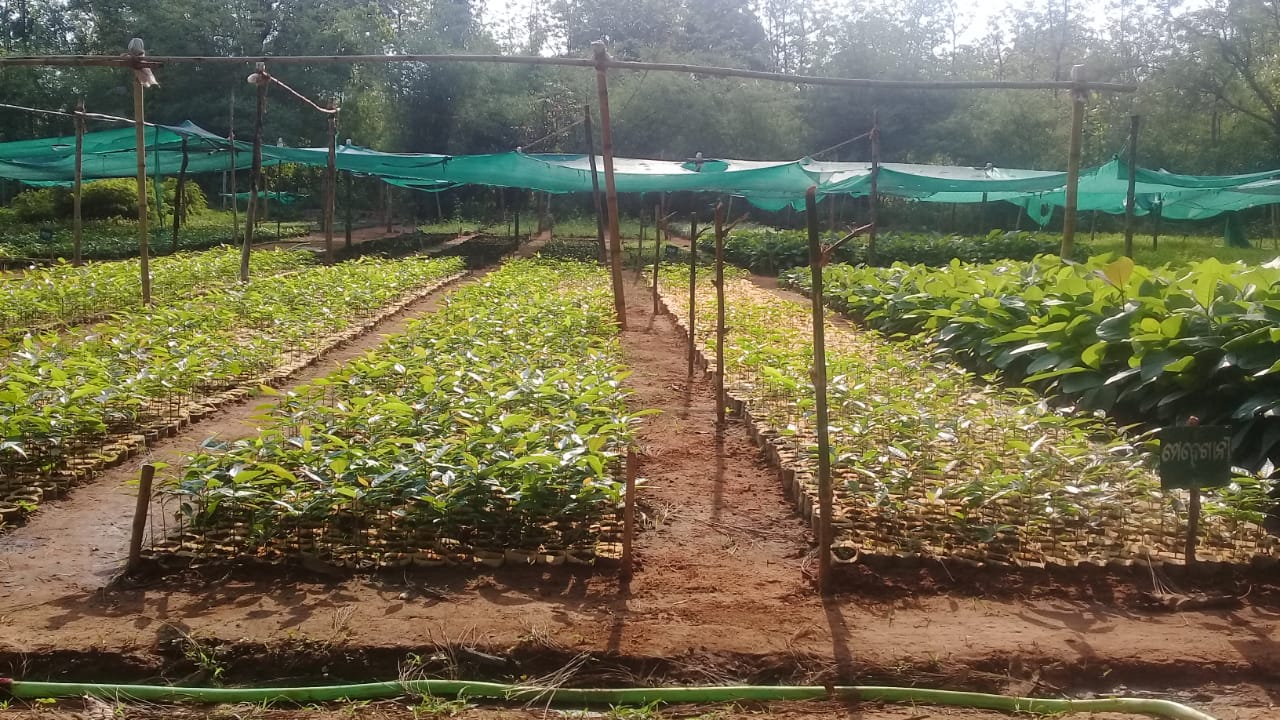
The purpose of nursery raising is to obtain quality seedlings. We facilitate the participation of vulnerable communities in nursery activities using planting materials that provide fruits, food, and ecological benefits for both humans and wildlife. A nursery was developed at the office premises of Paribartan, where saplings such as Mango, Litchi, Orange, Jackfruit, and Guava were raised, along with wild plants like Jamun, fast-growing timber species, firewood plants, and endangered medicinal plant species.
Sapling raising is a continuous activity. Development partners were trained on essential techniques such as pit digging, dehumidification, application of bio-fertilizers and pesticides, and other protective measures. The Narisanghas (community-based organizations) were entrusted with monitoring the programme. Saplings of fruit-bearing and wild plants have already been distributed to beneficiaries, as well as to CBOs and corporate bodies, for plantation in homes, or on waste and barren land.
Plantation Drive
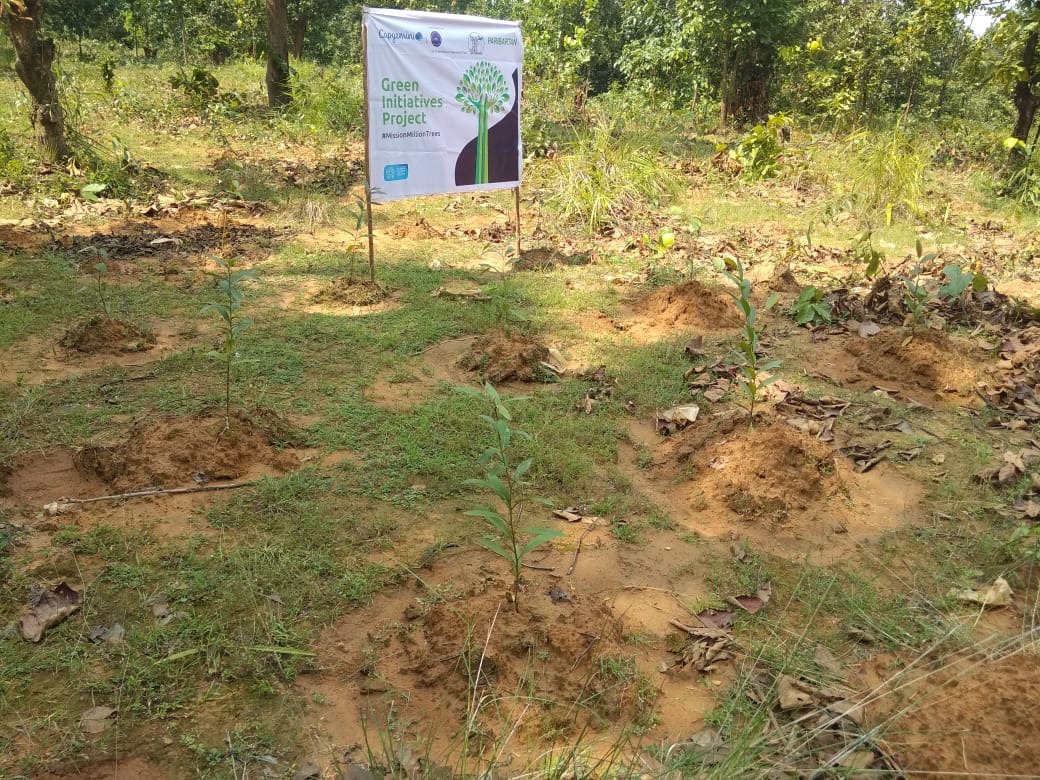
Paribartan signed an MoU with Dinabandhu Trust, Kolkata, and Capgemini to work in partnership for the implementation of the “Mission Million Trees” project. The initiative aims to undertake large-scale plantation activities in Odisha to enhance vegetation cover.
Plantation plays a vital role in moderating the microclimate, sequestering greenhouse gases (such as CO₂), and aiding water percolation. Estimates suggest that approximately 6 tons of carbon can be sequestered per hectare of forest annually, averaging about 6 kg of carbon per tree per year. Trees of all kinds provide immense ecosystem services, including carbon sequestration, soil replenishment, air purification, and groundwater recharge.
Under this initiative, 20,000 saplings were planted across four blocks in four districts: Pallahara block of Angul district, Kanas block of Puri district, Tirtol block of Jagatsinghpur district, and Bhubaneswar block of Khordha district, including areas under the Bhubaneswar Municipal Corporation. Active community involvement—particularly that of community-based organizations (CBOs)—in plantation efforts, monitoring, and protection was a key component to ensure the survival and growth of the saplings.